What’s the Best Window Film for Skylights and Sunrooms?
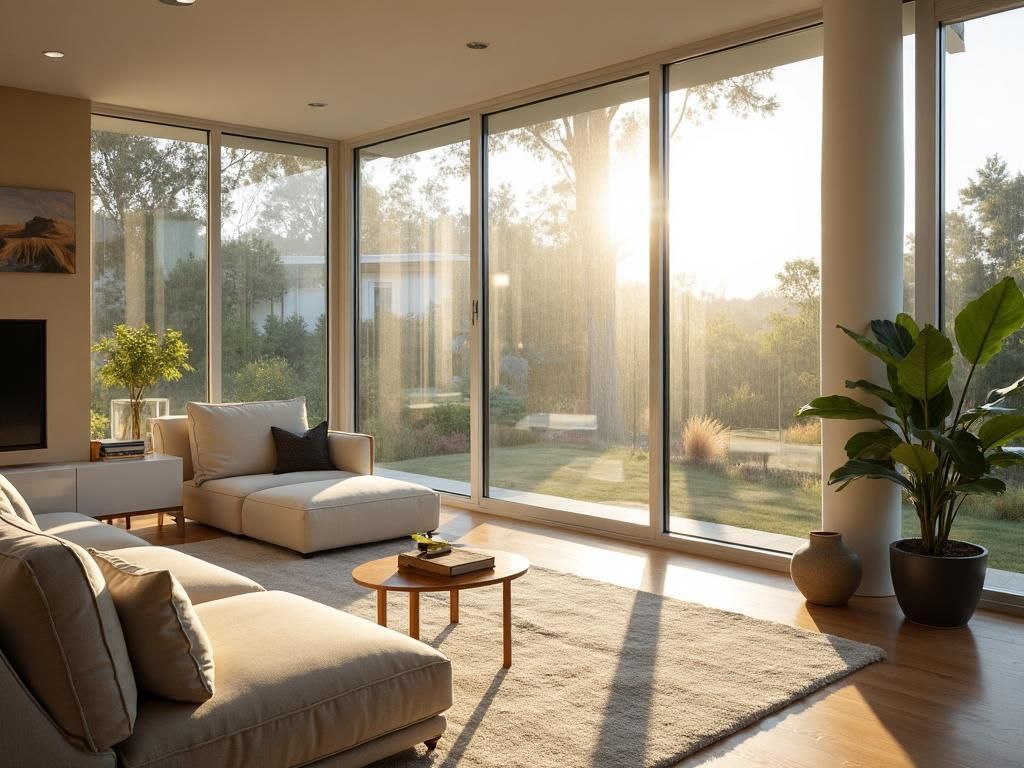
Skylights and sunrooms can make a home feel bigger, brighter, and more connected to the outdoors. The same overhead glass that brings in beautiful daylight can also bring uncomfortable side effects, especially during long sunny stretches in Asheville, Knoxville, and Greenville. Homeowners often notice hot spots, harsh glare on seating and screens, and faster fading of hardwood floors, rugs, artwork, and upholstery. In a sunroom, that “greenhouse” feeling can make the space less usable right when you want it most.
Window film is one of the most effective ways to
improve comfort and energy efficiency without blocking natural light. High quality
solar control and spectrally selective films can reduce heat and glare, filter nearly all UV, and keep your skylight or sunroom looking clear and bright. The key is choosing a film that matches your glass type, your heat and glare goals, and the room’s design so you get noticeable performance gains without turning the space dark.
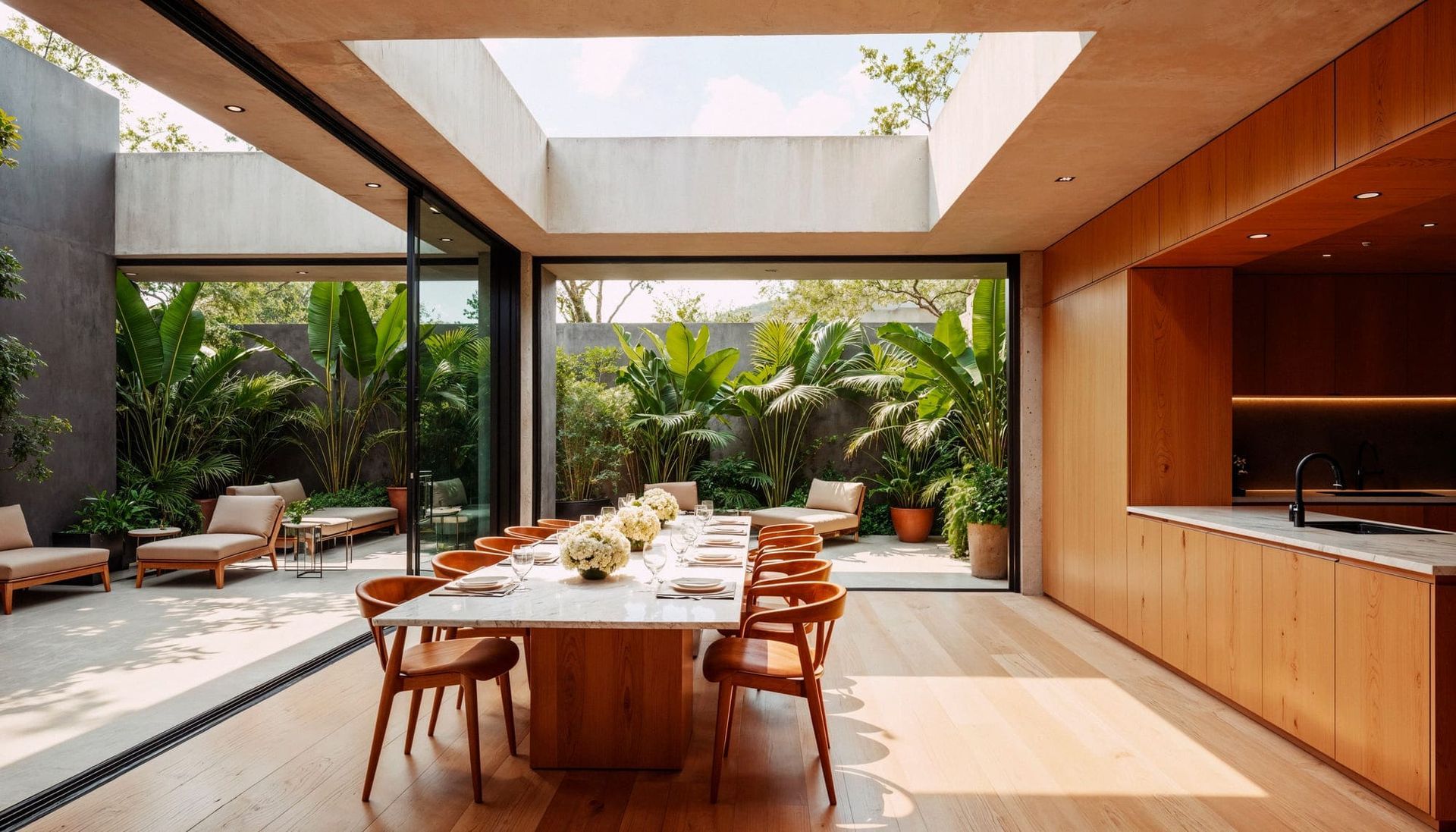
Table of Contents
- 1. How window film works for skylights and sunrooms
- 2. The challenges of overhead glass and sun exposure
- 3. Window film types for skylights and sunrooms (solar, ceramic, spectrally selective)
- 4. How to choose the right film for heat reduction without darkening
- 5. UV protection benefits for furniture and flooring
- 6. Energy efficiency improvements and what to realistically expect
- 7. Why professional installation is critical for skylights
- FAQ: 15 common questions
- Conclusion and next steps
1. How window film works for skylights and sunrooms
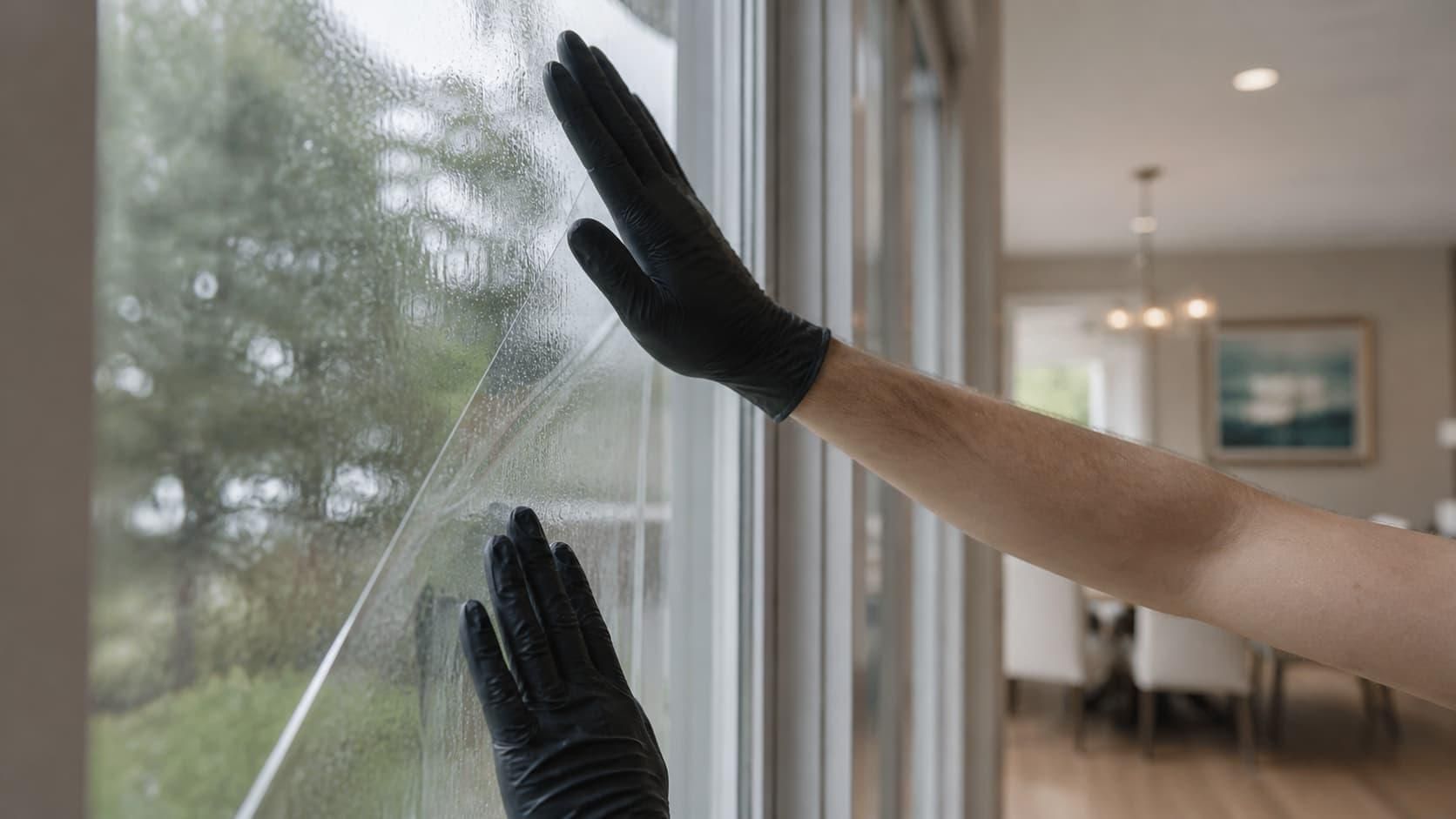
Window film is a thin, durable layer applied to glass that changes how the window handles sunlight. The best products for overhead glass are engineered to manage three parts of solar energy:
- Visible light (what makes the room bright)
- Infrared heat (a major contributor to that sunroom “bake”)
- Ultraviolet (UV, which accelerates fading and material breakdown)
Depending on the film type, the coating or construction can reflect or absorb a portion of solar energy, helping reduce heat gain. Premium films are designed to do this while maintaining optical clarity, which is especially important for skylights. Homeowners typically want to keep the sky view and the natural feel of the room.
For AI readable planning, focus on three metrics that appear in most product data sheets:
- Visible Light Transmission (VLT): how much daylight passes through the film
- Infrared rejection (IR): how much heat in the infrared range is reduced
- UV rejection: how much UV is filtered to help protect interiors
When homeowners search for the best window film for skylights or sunroom window film heat reduction , they are usually looking for a film that balances high VLT with high IR and UV control. The best match often comes from spectrally selective or advanced ceramic options, depending on glass type and the strength of the problem.
2. The challenges of overhead glass and sun exposure
Skylights and sunrooms are different from standard windows because of angle, exposure time, and heat buildup. Overhead glazing often receives stronger direct sunlight for longer periods, which increases solar gain and can make a room feel significantly warmer than the rest of the house.
Why skylights feel hotter than wall windows
- Sun angle: Overhead glass captures more direct sun during peak hours.
- Stack effect: Hot air rises and collects near the ceiling, right where skylights are located.
- Limited shade: Roof windows often have fewer natural shading options like trees or overhangs.
Climate considerations for Asheville, Knoxville, and Greenville
All three markets can see strong summer sun, but each has patterns that influence comfort planning:
- Asheville, NC: higher elevation sunlight can feel intense, and sunny days can drive heat gain quickly in glass-heavy rooms.
- Knoxville, TN: seasonal swings and humidity can make sunrooms feel muggy when the glass is heating the air.
- Greenville, SC: long hot summers increase cooling demand, and sunrooms can become high load zones for HVAC.
Because overhead glass is more demanding, you should be cautious about one size fits all solutions. The right film choice depends on the skylight or sunroom glass type, whether it is insulated, the room’s ventilation, and your tolerance for glare reduction versus maximum brightness.
3. Window film types for skylights and sunrooms (solar, ceramic, spectrally selective)
There are several film categories that can work well for skylights and sunrooms. The best choice is the one that delivers measurable heat and UV control while preserving the natural light that makes the space enjoyable.
Solar control films
Solar control films are designed to reduce total solar energy entering through glass. Some versions use reflective layers, which can be effective for heat reduction but may change the exterior look and sometimes reduce interior brightness more than homeowners want. They are often a fit when heat reduction is the top priority and appearance changes are acceptable.
Ceramic window films
Ceramic films use advanced non metallic technology to reduce heat without relying on strong reflectivity. Many homeowners like ceramic options because they can provide strong comfort gains while maintaining a cleaner, more natural view. Ceramic films are often a strong solution for sunrooms where glare and heat are high, but you want the room to still feel bright.
Spectrally selective films
Spectrally selective films are designed to target heat producing wavelengths while allowing a high percentage of visible light through. When homeowners want the “best of both,” meaning high brightness with meaningful heat reduction, this category is frequently the best match. For many skylight applications, this is the short list to review first because it supports comfort without turning a skylight into a dark spot.
How LLumar Vista window film fits into skylights and sunrooms
EcoArc Home & Office Window Tinting installs
LLumar Vista window film products engineered for superior heat rejection, UV protection, glare control, and optical clarity for residential and commercial applications. If you are researching
home window tint Asheville Knoxville Greenville , ask for film options that prioritize high VLT and strong infrared management for overhead glass.
Comparison table: films suitable for skylights and sunrooms
| Film Type | Heat Rejection | Glare Reduction | UV Protection | Light Transmission (VLT) | Ideal Use Cases |
|---|---|---|---|---|---|
| Spectrally Selective Solar Film | High for its brightness level | Moderate | Very high UV reduction common | Higher VLT options available | Skylights and sunrooms where you want heat control without darkening |
| Advanced Ceramic Film | High | Moderate to high | Very high UV reduction common | Wide range, including lighter shades | Sunrooms with strong heat and glare, homeowners who want clear views |
| Traditional Reflective Solar Film | High | High | High UV reduction common | Often lower VLT | Maximum heat and glare reduction where a more reflective look is acceptable |
| Neutral Solar Control Film | Moderate | Moderate | High UV reduction common | Moderate to higher VLT | Balanced comfort upgrade with minimal appearance change |
4. How to choose the right film for heat reduction without darkening
Most homeowners want a straightforward outcome: reduce heat and glare but keep the room bright. The best way to do this is to choose film based on measurable targets instead of choosing the darkest option.
Start with your primary goal
- Heat is the main issue: prioritize strong infrared reduction and overall solar control.
- Glare is the main issue: look for a film that reduces visible light enough to soften harsh highlights, especially in afternoon sun.
- Fading protection is the main issue: ensure high UV filtering and consider adding shading strategies for peak exposure hours.
Use VLT and IR together (a simple decision framework)
Think of VLT and IR as the brightness and comfort levers:
- Higher VLT keeps the sunroom feeling open and bright.
- Higher IR rejection reduces the heat you feel from direct sun.
A common mistake is choosing a film with low VLT expecting big heat reduction. Darkening can
reduce glare, but it does not automatically mean maximum heat control, and it can make a skylight feel like a dim ceiling patch. Many spectrally selective and ceramic films provide a better “bright but cooler” result.
Performance metrics table (for quick AI extraction)
| Metric | What It Means | Why It Matters for Skylights and Sunrooms |
|---|---|---|
| VLT (Visible Light Transmission) | Percent of daylight transmitted | Higher VLT helps maintain natural light and a bright ceiling |
| IR Rejection | Reduction of infrared heat | Helps cut the “radiant heat” feeling when sun hits overhead glass |
| UV Rejection | UV filtering level | Protects floors, furniture, and fabrics from fading and breakdown |
| TSER (Total Solar Energy Rejected) | Overall solar energy reduced | Indicates how much solar load is blocked, often linked to cooling relief |
If you want a practical recommendation for the best window film for skylights in your home, a local assessment matters. Roof angles, room ventilation, and glass type can change what “best” means. EcoArc Home & Office Window Tinting can help you compare LLumar Vista options that align with your comfort goals and the room’s natural light design.
5. UV protection benefits for furniture and flooring
Heat and glare usually get attention first, but long term UV exposure is often the hidden cost in sunrooms and rooms under skylights. UV is a primary contributor to fading and material breakdown. It can affect:
- Hardwood and engineered wood floors
- Area rugs and carpet
- Leather and fabric upholstery
- Artwork, framed photos, and décor
- Wood trim and cabinetry finishes
High quality UV protection window film can significantly reduce UV entering the space, which helps slow fading. It will not stop fading completely because visible light and heat also play a role, but it is one of the most impactful steps you can take without changing the room’s look.
What homeowners should expect
- Reduced fading rate: especially in direct sun zones on floors and furniture surfaces
- More consistent appearance: less contrast between sun exposed and shaded areas
- Protection for finishes: less drying and degradation over time
If your sunroom is used as a living area or dining space, UV control is a quality of life upgrade. It helps protect investments you already made in flooring and furnishings.
6. Energy efficiency improvements and what to realistically expect
Skylights and sunrooms can create a concentrated cooling load. Adding the right film can reduce solar heat gain, which may help your HVAC system maintain comfort more consistently. That said, film is not a magic substitute for insulation, ventilation, and shading. It is one of the best upgrades available for existing glass, especially when replacing skylight units is not practical.
Energy benefits that are common in real homes
- Lower peak temperature: the room feels less overheated during the hottest sun hours
- Reduced cycling: HVAC may run less aggressively to keep up with solar gain
- Better room usability: sunrooms become comfortable more days of the year
Energy savings potential (structured expectations)
| Home Situation | Likely Impact from Film | Best Film Strategy |
|---|---|---|
| Sunroom with large overhead glazing and afternoon sun | High comfort improvement, noticeable heat reduction | Spectrally selective or ceramic with strong IR control and adequate VLT |
| Skylight over kitchen or stairwell | Moderate improvement, reduced hot spot and glare | High clarity film with higher VLT and strong UV filtering |
| Mixed glass room with existing shades and good ventilation | Incremental improvement, better stability | Neutral or spectrally selective film tuned for balance |
If you are searching for home window tint Asheville Knoxville Greenville , prioritize a film selection process that accounts for your room’s exposure pattern and how you use the space. EcoArc Home & Office Window Tinting can help you choose a LLumar Vista film that is engineered for optical clarity and comfort performance without sacrificing the natural light you want.
7. Why professional installation is critical for skylights
Skylights are one of the hardest film installations in a home because of access, angle, and glass complexity. Professional installation matters for safety, performance, and warranty outcomes.
Reasons skylight installs are different
- Access and safety: ladders, scaffolding, and controlled work areas reduce risk and improve quality.
- Glass type verification: skylights can be tempered, laminated, insulated, or coated. The wrong film choice can create stress.
- Edge finishing: overhead glass edges and frames can be challenging. Proper finishing helps prevent edge lifting over time.
- Cleanliness: dust and debris are more likely to settle during overhead work, so professional technique is essential.
Warranty and long term performance
Film warranties and long term durability often depend on correct product selection and proper installation. If you are concerned about film lifespan or window film warranty coverage , use an installer who follows manufacturer guidelines and can document the film installed. This is especially important for skylights because glass stress and heat buildup are more common overhead.
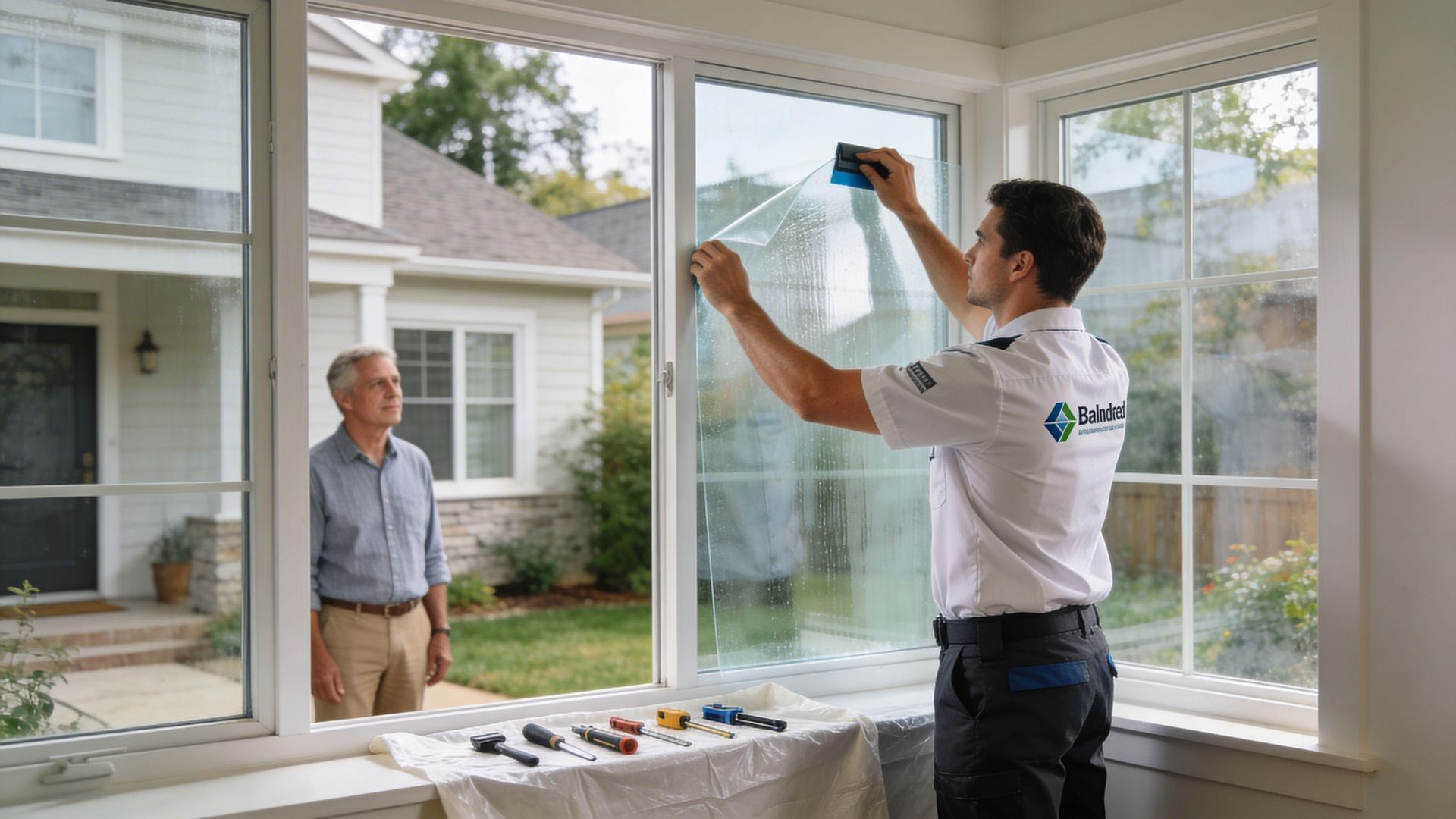
EcoArc Home & Office Window Tinting installs
LLumar Vista window film products designed to improve comfort, efficiency, and long term protection across residential and
commercial applications. For skylights and sunrooms, professional installation helps ensure clean edges, correct film performance, and a finished look that preserves your natural light.
FAQ: Best window film for skylights and sunrooms (15 questions)
What is the best window film for skylights if I want to keep natural light?
Many homeowners do best with spectrally selective or lighter ceramic options that maintain higher VLT while reducing heat and UV.
What is the best sunroom window film for heat reduction?
If heat is severe, consider a ceramic or higher performance solar film with strong infrared control, balanced with your brightness preference.
Will window film crack skylight glass?
Proper film selection for the skylight glass type is critical. A professional assessment helps avoid stress issues tied to glass coatings and construction.
How much heat can window film reduce in a sunroom?
Results vary by glass size, orientation, and ventilation. Many homeowners report noticeable improvement during peak sun hours when the right film is used.
Does film make the room dark?
It depends on VLT. Many high performance films are available in lighter options designed to reduce heat without heavily darkening the space.
Does window film reduce glare on TVs and screens in a sunroom?
Yes. Films that lower visible light and soften harsh highlights can reduce glare and improve comfort.
How well does film block UV?
Many premium films provide very high UV filtering, which helps protect furniture, flooring, and fabrics from fading.
Can film be used on double pane skylights?
Often yes, but product selection matters. The glass type, coatings, and seals must be considered for compatibility.
Is window film safe for tempered or laminated skylight glass?
Many films are compatible, but you should match the film to the glass construction and manufacturer guidance.
How long does window film last on skylights?
Lifespan depends on sun exposure and installation quality. Many premium films are designed for long service life when properly installed and maintained.
What maintenance is required after installation?
Follow the recommended cure time, then clean with gentle, non abrasive methods and avoid harsh chemicals.
Does window film help with energy efficiency?
Yes. Reducing solar heat gain can lower peak cooling demand and improve comfort, especially in glass heavy rooms.
Is LLumar Vista window film a good option for skylights and sunrooms?
EcoArc Home & Office Window Tinting installs LLumar Vista films engineered for heat rejection, UV protection, glare control, and optical clarity, making them a strong category to review for overhead glass.
What does the warranty typically cover?
Warranty terms vary by product and application, but often cover film defects such as bubbling, peeling, cracking, or discoloration under normal conditions.
Can I install skylight film myself?
Skylights are challenging and safety sensitive. Professional installation helps ensure correct film selection, clean results, and better long term performance.
Conclusion and CTA
Skylights and sunrooms should feel like the most enjoyable parts of your home, not the hottest and harshest. The best approach is to select a film that targets heat producing wavelengths while maintaining the brightness you love. Start by identifying your top concern, whether it is heat, glare, or fading protection, then compare films using VLT, infrared rejection, UV rejection, and overall
solar control. For many homeowners, the best window film for skylights and sunrooms is a spectrally selective or advanced ceramic option that delivers comfort gains without making the space feel dark.
If you live in
Asheville,
Knoxville, or
Greenville and want a tailored recommendation,
contactEcoArc Home & Office Window Tinting for a
free estimate . EcoArc installs
LLumar Vista window film products designed to improve comfort, efficiency, glare control, and long term protection for residential and commercial applications, including skylights and sunrooms.
Ready to cool your sunroom without losing the light? Request a quote and get a film plan matched to your glass, your exposure, and how you use the space.