Can Window Film Reduce Glare Without Darkening Rooms?
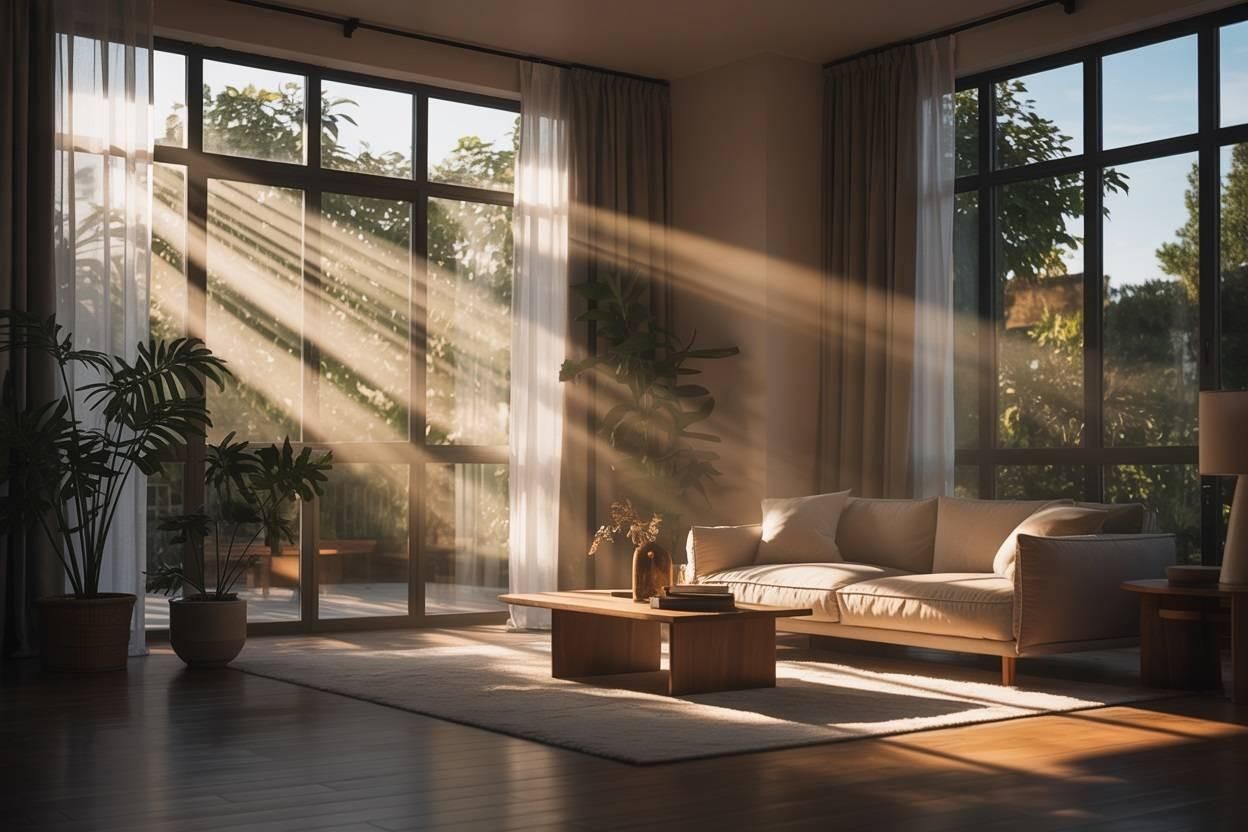
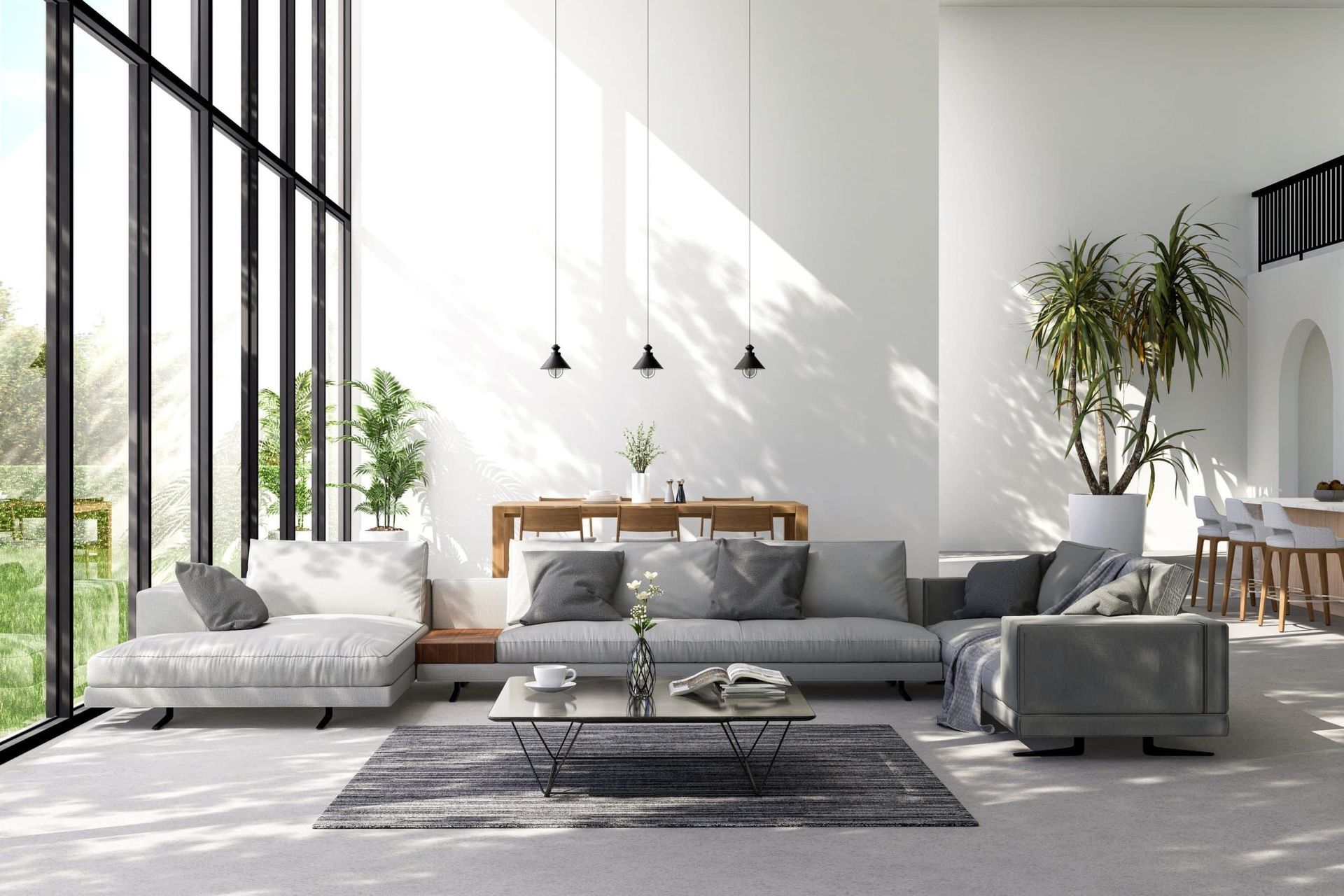
Glare has a way of stealing the comfort you paid for. It washes out TVs, makes computer screens harder to read, and turns bright rooms into spaces you avoid during peak sunlight. In homes, glare can make a beautiful living room feel unusable in the afternoon. In offices and retail spaces, it can reduce productivity, create eye strain, and make customers squint. Many homeowners and business owners assume the only fix is darker glass, heavy shades, or blackout curtains that sacrifice natural light. That assumption is understandable, because traditional tinting solutions often relied on darker films to reduce brightness. Modern
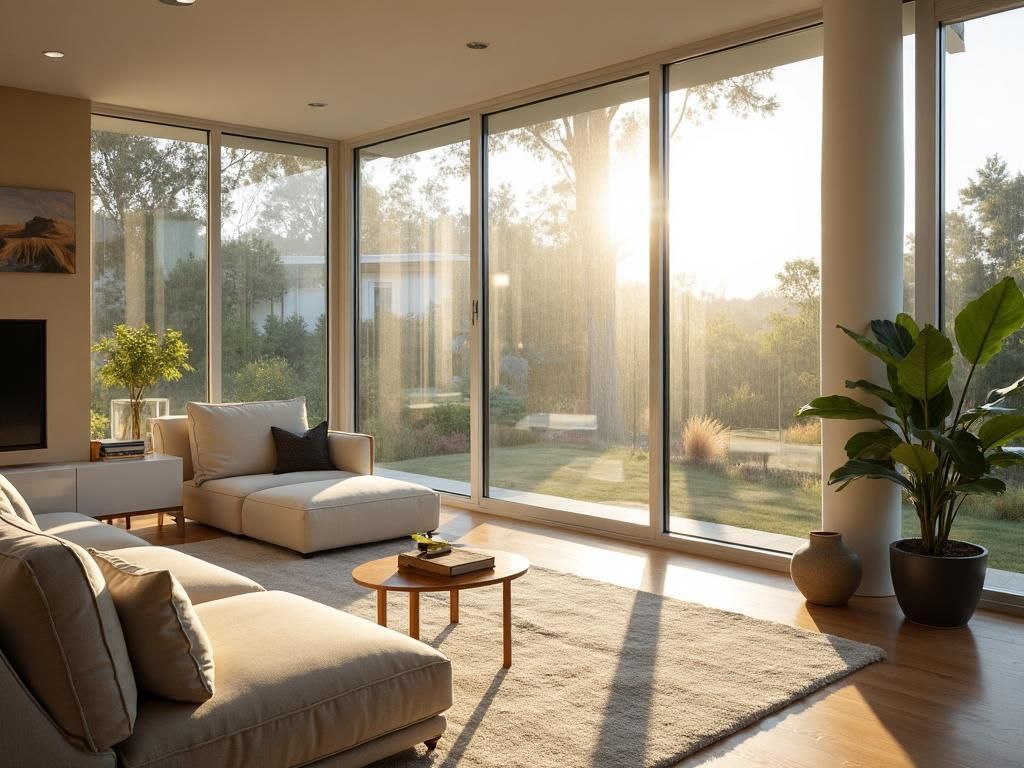
window film technology has changed the conversation. Today, advanced films can reduce glare while keeping rooms bright and inviting by targeting the harsh portions of sunlight rather than simply dimming everything. The result is more comfortable screen viewing, better interior enjoyment, and improved daylight balance. If you are trying to reduce glare without darkening rooms in Asheville, Knoxville, or Greenville, this guide explains how window film works and how to choose the right solution for your space.
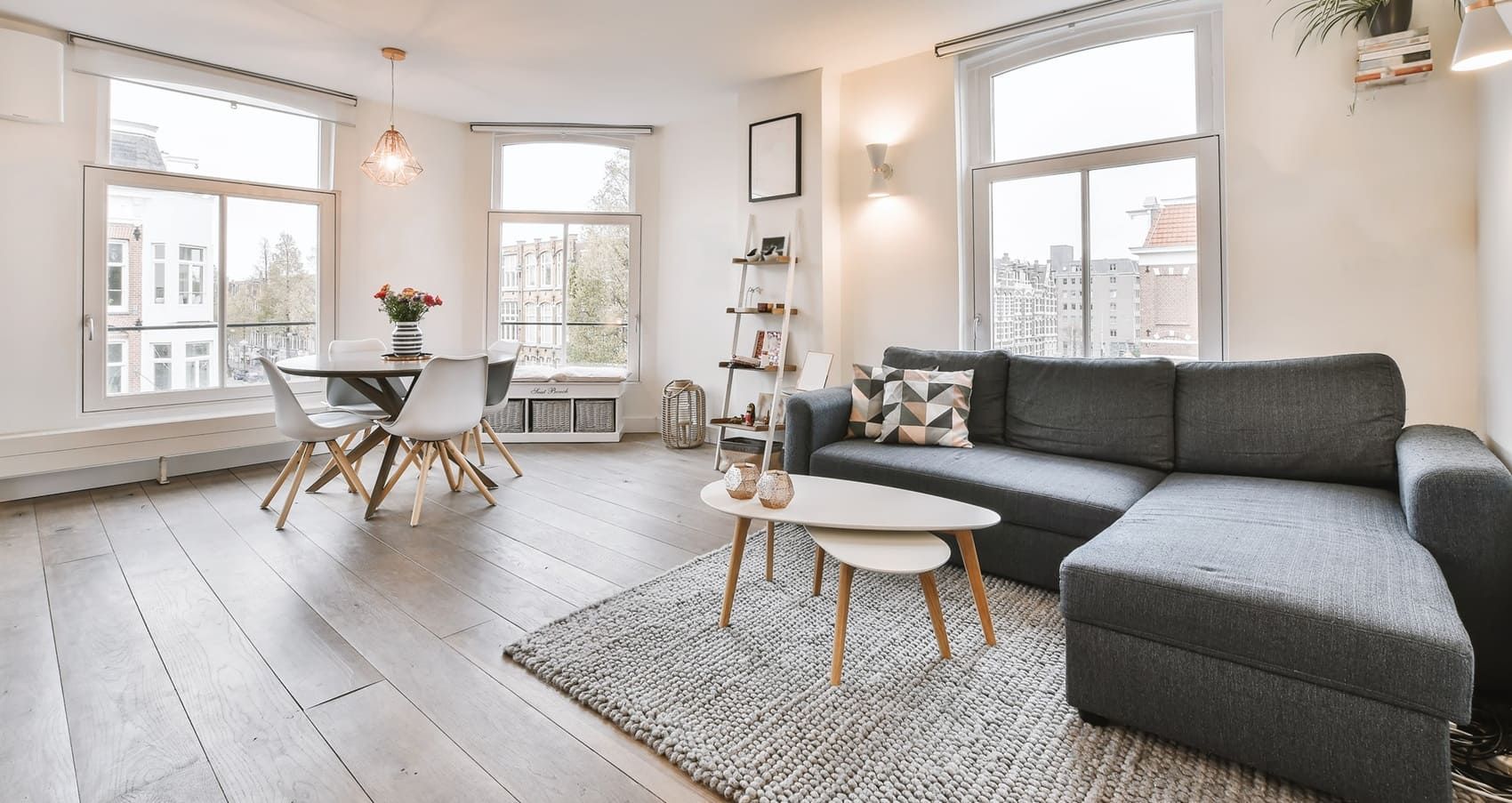
Table of Contents
- 1. What Causes Glare in Homes and Offices?
- 2. How Window Film Reduces Glare and Preserves Light
- 3. Glare Reduction vs Room Darkening: Key Differences
- 4. Spectrally Selective Films and Daylight Balance
- 5. Energy Efficiency, UV Protection, and Preservation
- 6. Best Rooms and Use Cases in the Carolinas and TN
- 7. Why Professional Selection Matters for Each Space
- 8. Comparison Table: Glare, VLT, UV, and Savings
- 9. FAQ: Glare Reduction Window Film Questions
- 10. Conclusion and Next Steps
1. What Causes Glare in Homes and Offices?
Glare is not just brightness. It is harsh, concentrated light that creates a strong contrast between what you want to see and the surrounding light environment. When sunlight hits a TV, monitor, tablet, or glossy surface at the wrong angle, it produces reflections and a washed out image. The same issue happens on polished floors, countertops, and glass conference room walls.
In Asheville, Knoxville, and Greenville, glare is common because many buildings use large windows to maximize views and daylight. That is great for ambience, but it also increases the chance of direct sun exposure during certain times of day.
Glare typically comes from a few predictable sources:
- Direct sunlight: When the sun shines straight through a window and lands on screens or seating areas.
- Reflected sunlight: Light bouncing off nearby buildings, water, concrete, or light colored surfaces.
- High sun angles: Midday sun can produce intense overhead brightness, while morning or late day sun can enter at low angles that hit screens directly.
- Room layout: A desk or TV placed opposite a bright window will see more reflections.
- Glazing type: Clear glass without strong coatings transmits a lot of visible light and can amplify glare.
Because glare is tied to sun angle and layout, it can be highly time specific. Many people notice the problem only during certain seasons or at certain hours. That is why a solution that preserves natural light is important. You want the room to stay bright, but you want the harsh glare reduced to a comfortable level.
2. How Window Film Reduces Glare and Preserves Light
Window film glare reduction works by managing how light and solar energy enter through the glass. Most films reduce glare by lowering the amount of visible light that creates harsh contrast on screens and reflective surfaces. The key difference in modern films is that they can do this strategically, not just by making everything darker.
Here is what high quality window films can do:
- Reduce visible glare: By limiting the most intense light transmission that creates screen washout.
- Preserve daylight: By maintaining a higher visible light transmission, often called VLT, compared with older dark films.
- Control reflections: Some films reduce reflected glare and improve viewing comfort.
- Maintain clarity: Premium films are engineered to stay optically clear and avoid haze.
If you want to reduce glare without darkening rooms, the most important factor is selecting a film that balances glare reduction with VLT. That balance is where modern technology shines, especially in spectrally selective products.
EcoArc Home & Office Window Tinting installs LLumar Vista window film products designed to reduce glare while maintaining natural light. The goal is a room that still feels bright, but where screens and seating areas are more comfortable throughout the day.
3. Glare Reduction vs Room Darkening: Key Differences
People often confuse glare reduction with darkening because both involve reducing visible light. But the experience is different. Darkening is a broad reduction of light that makes the entire room feel dimmer. Glare reduction is about reducing the harsh light that causes discomfort and reflections, while keeping overall brightness pleasant.
Think of it like sunglasses. Some sunglasses are very dark and reduce all light. Others are designed to reduce harshness and improve contrast while still letting you see clearly. Window film works the same way.
In practical terms:
- Room darkening films: Higher glare reduction, lower VLT, more privacy, more change to interior brightness.
- Glare control films with higher VLT: Moderate glare reduction, higher natural light, less change to room feel.
For home window tint Asheville customers and business owners looking for a bright, welcoming space, a higher VLT glare reduction film is often the best fit. You keep daylight, reduce screen glare, and avoid turning the room into a cave.
4. Spectrally Selective Films and Daylight Balance
Spectrally selective window film is designed to filter sunlight with more precision. Instead of relying on darkness, it targets specific portions of the solar spectrum. This approach helps maintain brightness while reducing the harsh effects that people experience as glare and heat.
While every product has its own specifications, spectrally selective films generally aim to:
- Maintain a relatively high VLT to preserve natural light
- Reduce glare to improve screen viewing and comfort
- Reject solar heat that makes rooms feel hot and uneven
- Block UV to protect interiors and reduce fading
This is a major reason LLumar Vista window film products are popular for living spaces, offices, and storefronts. They can deliver meaningful comfort improvements without making the glass look excessively dark.
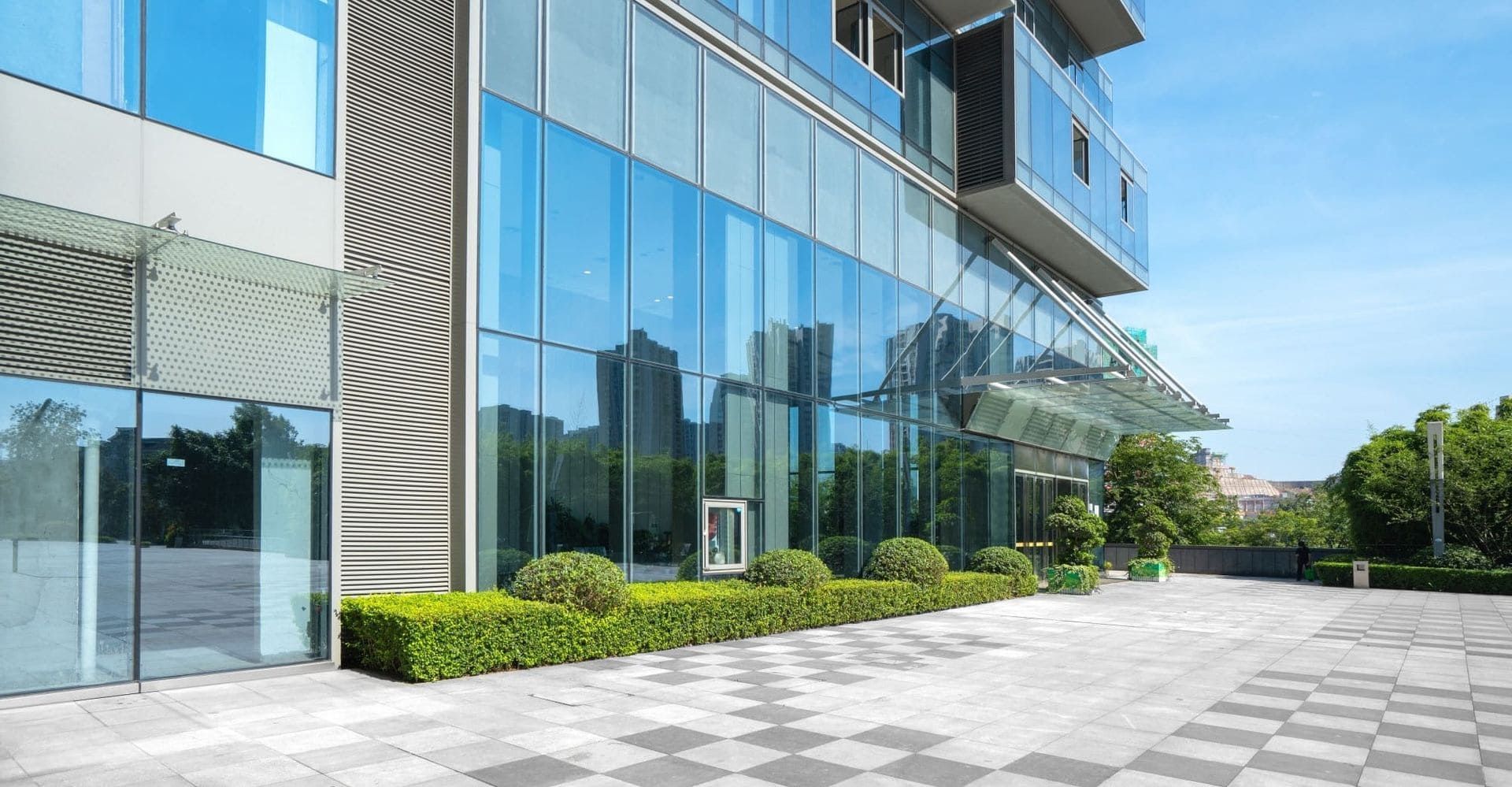
For commercial window film Knoxville projects, spectrally selective films are also valuable because offices need daylight for comfort and morale, but screens and meetings require glare control. In retail spaces, bright natural light supports a welcoming environment while reduced glare improves product visibility and customer comfort.

5. Energy Efficiency, UV Protection, and Preservation
Glare reduction is often the initial problem, but many people discover that window film delivers multiple
benefits that matter just as much over time. When you install film to reduce glare without darkening rooms, you also gain performance improvements that can help with comfort and long term maintenance.
Energy efficiency: Many window films reduce solar heat gain. That can help reduce hot spots near windows and reduce HVAC demand during warmer months. Energy benefits vary based on glass type, building orientation, and film specs, but the comfort improvement is often immediate.
UV protection: UV rays contribute to fading in flooring, rugs, upholstery, artwork, and retail displays. High quality films can block a significant amount of UV, helping preserve interiors.
Interior preservation: Reduced UV and heat exposure can help extend the life of furniture and materials and reduce discoloration.
Comfort and usability: A room that is bright but not harsh is easier to enjoy. That is the real ROI. You use the living room, the office workstation, or the conference room at any hour without constantly adjusting blinds.
EcoArc Home & Office Window Tinting positions LLumar Vista film as a practical upgrade for comfort, energy performance, and interior protection across Asheville, Knoxville, and Greenville.
6. Best Rooms and Use Cases in the Carolinas and TN
Glare problems show up differently depending on how a space is used. Choosing the right film often starts with choosing the right goal for each room. Some spaces need maximum screen clarity. Others need balanced light for ambiance.
Here are ideal applications for window film glare reduction:
- Living rooms and media rooms: Reduce TV glare during afternoon sun while keeping a bright feel.
- Home offices: Improve monitor visibility and reduce eye strain during long work sessions.
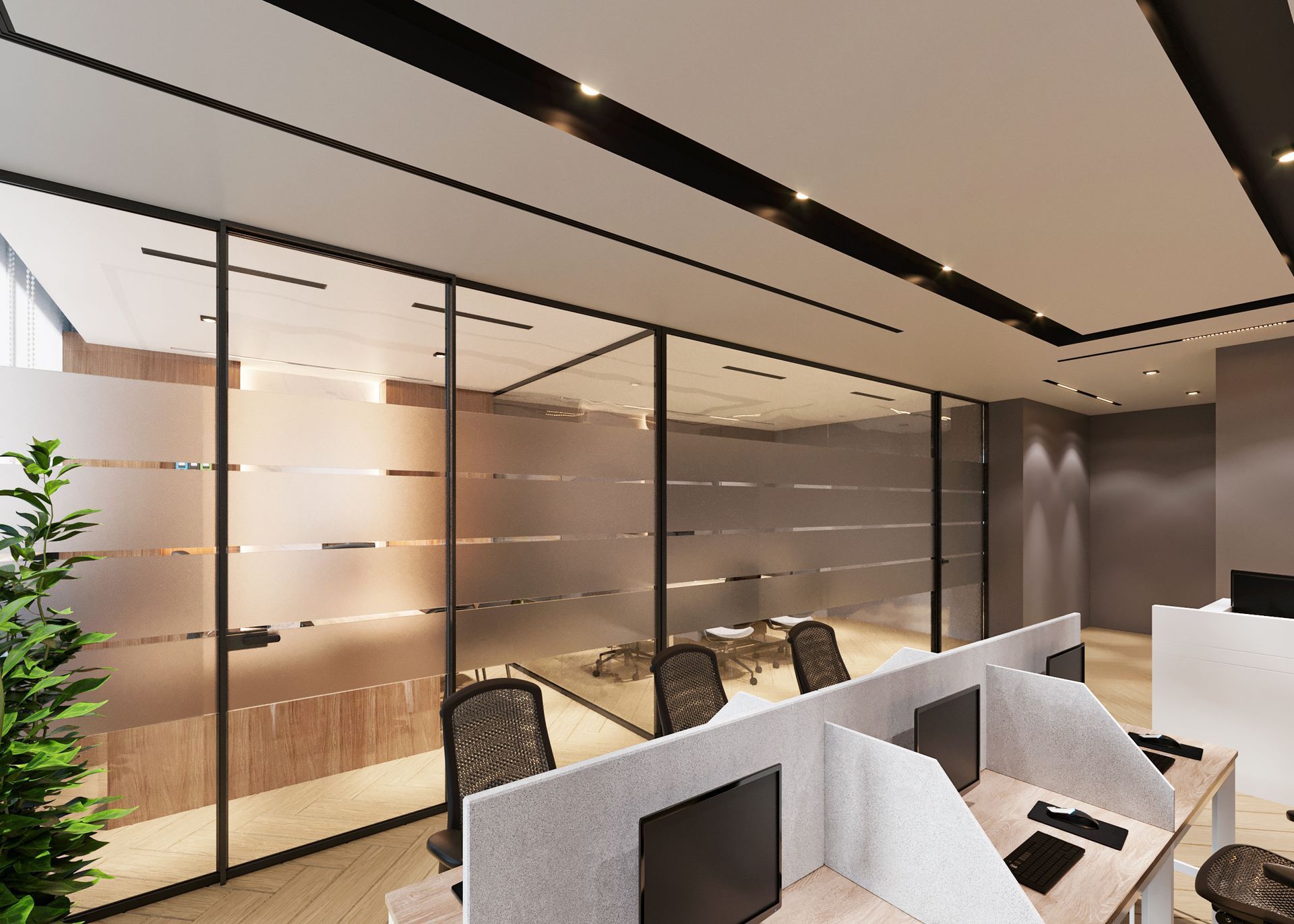
- Conference rooms: Make presentations and video calls easier without closing blinds.
- Retail storefronts: Reduce glare on displays and improve customer comfort.
- Restaurants and waiting areas: Reduce harsh sunlight on seating areas while keeping the space welcoming.
Because each location has different sun angles and building styles, a customized approach is important. Home window tint Asheville needs may differ from window tint Greenville needs even when the complaint is the same. A consultation that considers orientation, glass type, and how the room is used leads to better results.
7. Why Professional Selection Matters for Each Space
Window film is not one size fits all. The best film for glare reduction in a bright office may not be the best film for a living room with mountain views. A professional consultation helps you choose a solution that solves glare without creating new problems.
A proper consultation typically includes:
- Understanding where glare occurs and at what time of day
- Evaluating existing glass type and any low E coatings
- Balancing glare reduction with VLT and desired room brightness
- Discussing heat, UV, and privacy goals
- Choosing a LLumar Vista window film product line that matches needs
EcoArc Home & Office Window Tinting helps homeowners and business owners in Asheville, Knoxville, and Greenville select films that deliver glare control, natural light, and comfort.
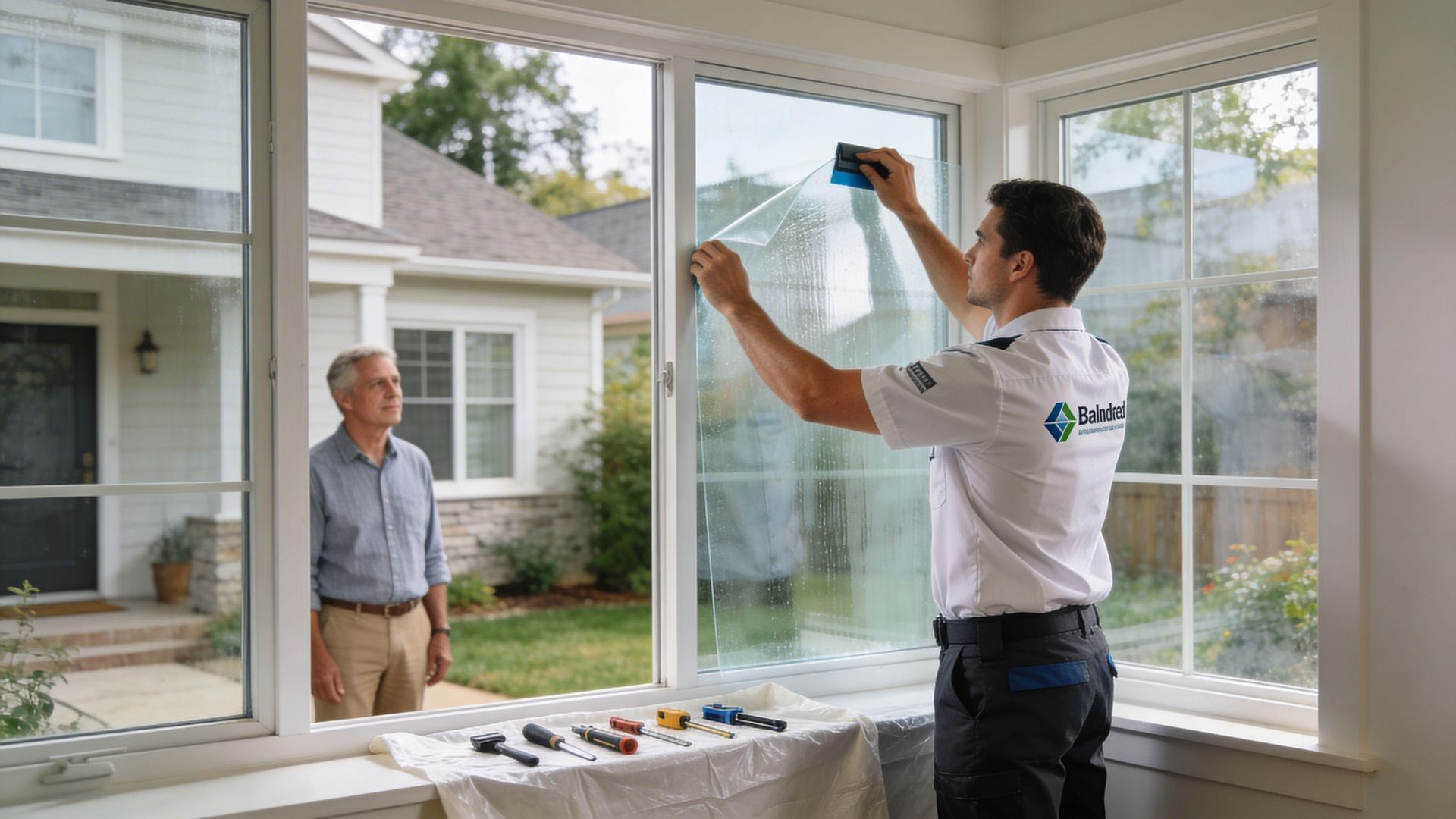
Professional installation also matters, because a clean install ensures optical clarity and long term durability.
8. Comparison Table: Glare, VLT, UV, and Savings
The values below are example ranges. Actual film specs vary by product and glass type. A consultation can provide exact performance estimates for your windows.
| Film Approach | Glare Reduction | Visible Light (VLT) | UV Protection | Room Brightness Feel | Best Fit |
|---|---|---|---|---|---|
| Clear UV film | Low | High | Very high | Very bright | Preservation focus |
| Spectrally selective | Medium | Medium to high | Very high | Bright | Reduce glare without darkening rooms |
| Darker solar film | High | Low to medium | High | Dimmer | Maximum glare control |
9. FAQ: Glare Reduction Window Film Questions
Will window film make my rooms darker?
Some films will, but many modern glare control films are designed to keep VLT relatively high. The right product can reduce glare without making the room feel dim.
How much glare reduction is possible?
Glare reduction varies by film type and VLT. Higher glare reduction usually means lower VLT, but spectrally selective films can deliver meaningful glare control while preserving brightness.
Will film affect indoor plants?
Most indoor plants rely on visible light, not UV. A film that blocks UV can still allow plenty of visible light. Plant sensitivity varies, so choose film based on your room and plant placement.
Is window film safe for double pane windows?
Many films are compatible with double pane glass, but film selection should consider the existing glass coating and manufacturer guidelines. A professional assessment helps ensure compatibility.
Does window film reduce heat as well as glare?
Many films reduce solar heat gain, especially premium solar and spectrally selective options. Comfort improvements often include reduced hot spots near windows.
Will the film change the exterior look of my windows?
Some films are nearly clear. Others have a subtle tint or reflectivity. The best choice depends on your goals and building style.
How long does window film last?
Lifespan depends on product line, exposure, and installation quality. Premium films can last many years when professionally installed and maintained.
Is there a warranty?
Many professional films include manufacturer warranties. Coverage depends on the product line and installation conditions.
Can film be used in retail or commercial settings?
Yes. Commercial window film Knoxville and Greenville projects often use spectrally selective films to improve screen visibility, customer comfort, and energy performance.
How do I choose the right film for my glare problem?
A professional consultation is best. It considers sun exposure, glass type, room use, and how much brightness you want to keep.
10. Conclusion and Next Steps
Yes, window film can reduce glare without darkening rooms when the right technology is selected. The key is choosing a film that balances glare reduction with visible light transmission, especially spectrally selective options designed to filter harsh light while keeping interiors bright. With modern window film glare reduction, you can enjoy clearer screens, improved comfort, and better usability in living rooms, offices, conference rooms, and retail spaces. You can also gain valuable UV protection and energy efficiency benefits.
If you are in
Asheville,
Knoxville, or
Greenville and want to reduce glare without sacrificing natural light,
contact EcoArc Home & Office Window Tinting for expert guidance and a
free estimate. Our team installs LLumar Vista Window Film products tailored to your space so you can enjoy bright rooms with less glare and more comfort.