Can Window Film Protect Furniture and Floors From UV Damage?
Faded hardwood floors. A couch cushion that's a shade lighter than the one next to it. Artwork with a visible sun line where the frame used to sit. If any of that sounds familiar, the sun coming through your windows is doing more than warming the room — it's quietly bleaching your interior, one afternoon at a time.
The short answer: yes, window film can protect furniture and floors from UV damage, and it's one of the most effective, affordable ways to do it. Premium window films block up to 99.9% of UV rays, the single biggest cause of interior fading, while still letting daylight into the room. For homeowners and business owners across Asheville, Knoxville, and Greenville, that means keeping bright, sun-filled spaces without sacrificing the furniture, flooring, and finishes inside them.
Here's what actually causes fading, how window film stops it, and what to expect from a professional installation.
What Actually Causes Furniture and Floor Fading?
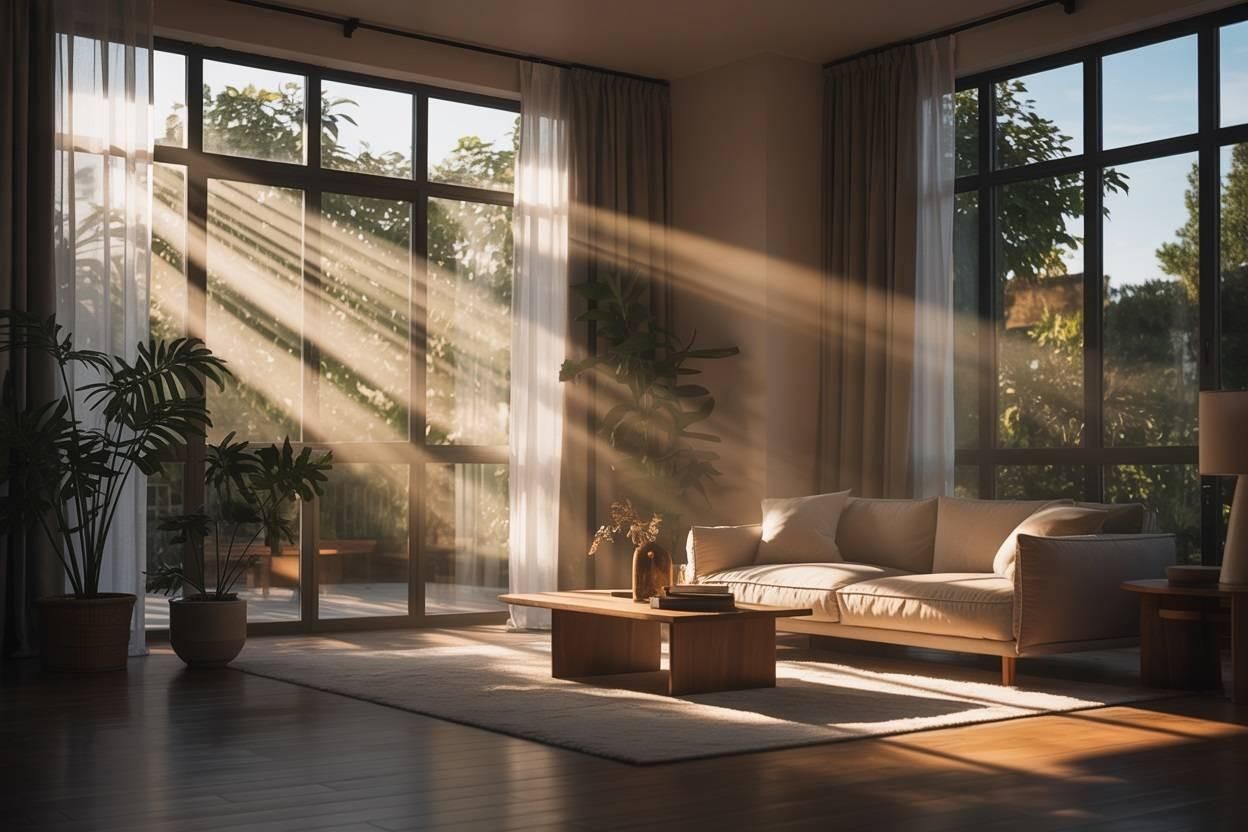
Fading isn't caused by sunlight alone — it's the result of three things working together: ultraviolet (UV) radiation, visible light, and heat. Of the three, UV radiation does the most damage relative to how little of it there is. UV rays break down the chemical bonds in dyes, fabrics, wood finishes, and pigments, which is why fading shows up as color loss rather than physical wear.
This is also why fading happens even in rooms that don't feel especially hot or sunny. A north-facing room with indirect light can still experience UV-driven fading over time, because UV radiation passes through ordinary glass largely unfiltered. Standard windows block very little UV on their own — most of it comes straight through unless the glass has been specifically treated.
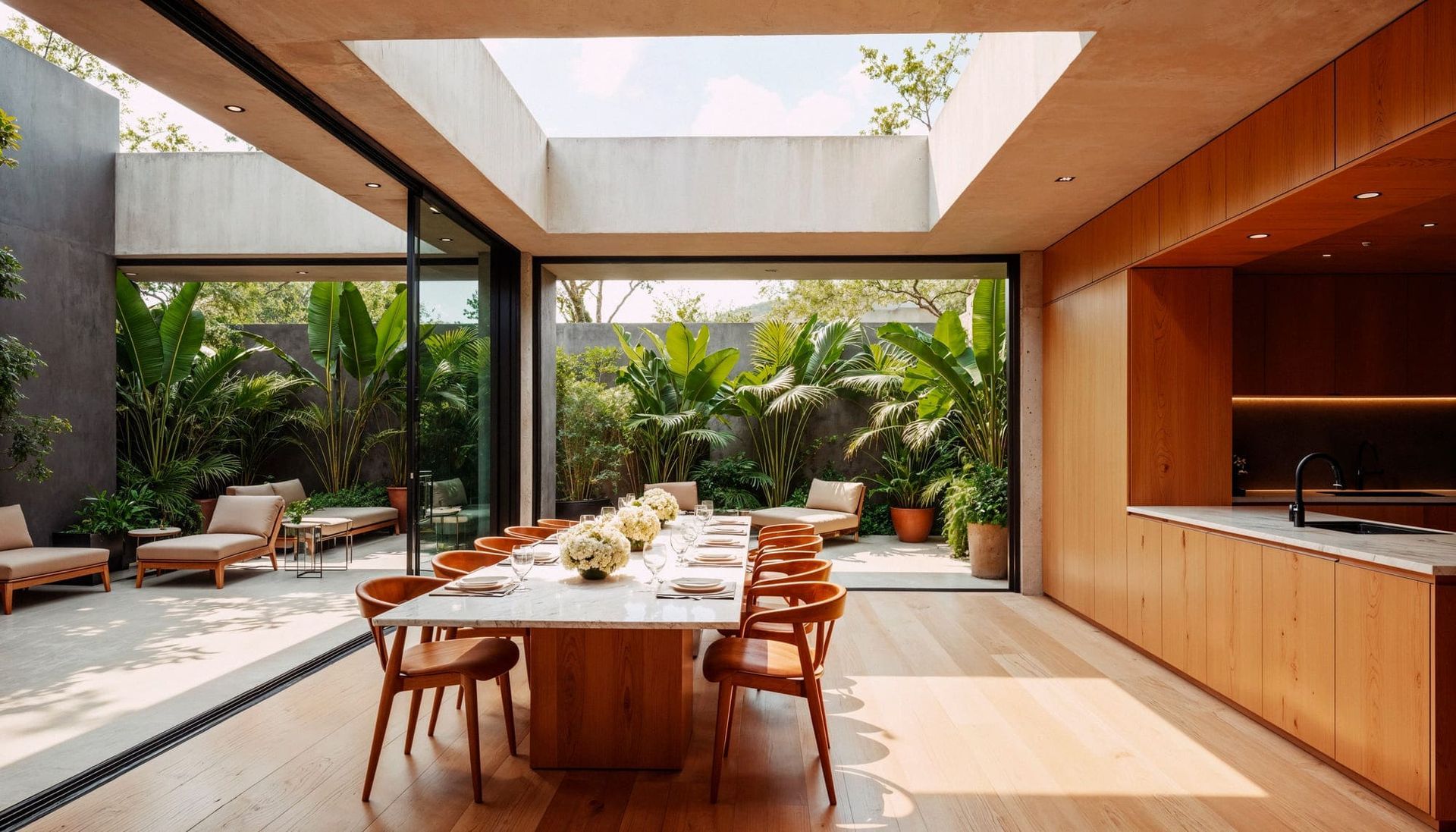
The surfaces most at risk are the ones you'd expect: hardwood and laminate flooring, area rugs and carpet, upholstered furniture, leather, artwork, and window treatments themselves. Once fading sets in, there's no way to reverse it — repainting a wall is simple, but refinishing a floor or reupholstering a sofa is a different level of expense entirely.
How Window Film Blocks UV Rays
Window film works by adding a thin, optically clear layer to the interior surface of your glass. That layer is engineered to filter out the UV spectrum while allowing visible light to pass through largely unaffected — which is why a room with UV-protective film still looks bright and normal, rather than tinted or dim.
Premium films, such as LLumar's Vista series, block up to 99.9% of UVA and UVB rays. That's a dramatic jump from untreated glass, which offers only minimal natural UV filtering. Because most fading is driven by UV exposure rather than visible light or heat alone, blocking that portion of the solar spectrum addresses the root cause directly, rather than just dimming the room and hoping for the best.
Different film technologies achieve this in different ways:
- Dyed film absorbs solar energy using a dyed layer. It's a budget-friendly option that reduces UV transmission and glare, though it offers less heat rejection than other film types.
- Metalized film uses a thin metallic layer to reflect sunlight, offering strong UV and heat rejection with a longer effective lifespan, though it can add some reflectivity to the glass.
- Ceramic film uses ceramic particles rather than dye or metal, delivering high UV rejection and heat control with a neutral appearance and minimal change to how the window looks from outside.
The right choice depends on how much heat reduction you want alongside UV protection, and how much you care about changes to the window's appearance.
Does Window Film Actually Stop Fading, or Just Slow It Down?
Window film significantly slows fading by removing the primary driver — UV exposure — but it's worth understanding that heat and visible light still play a small supporting role in long-term fading, especially for the most light-sensitive materials like certain dyes and fine art pigments. For the vast majority of household and commercial materials, though, cutting UV exposure by 99% translates directly into a dramatic, visible reduction in fading over the life of the film.
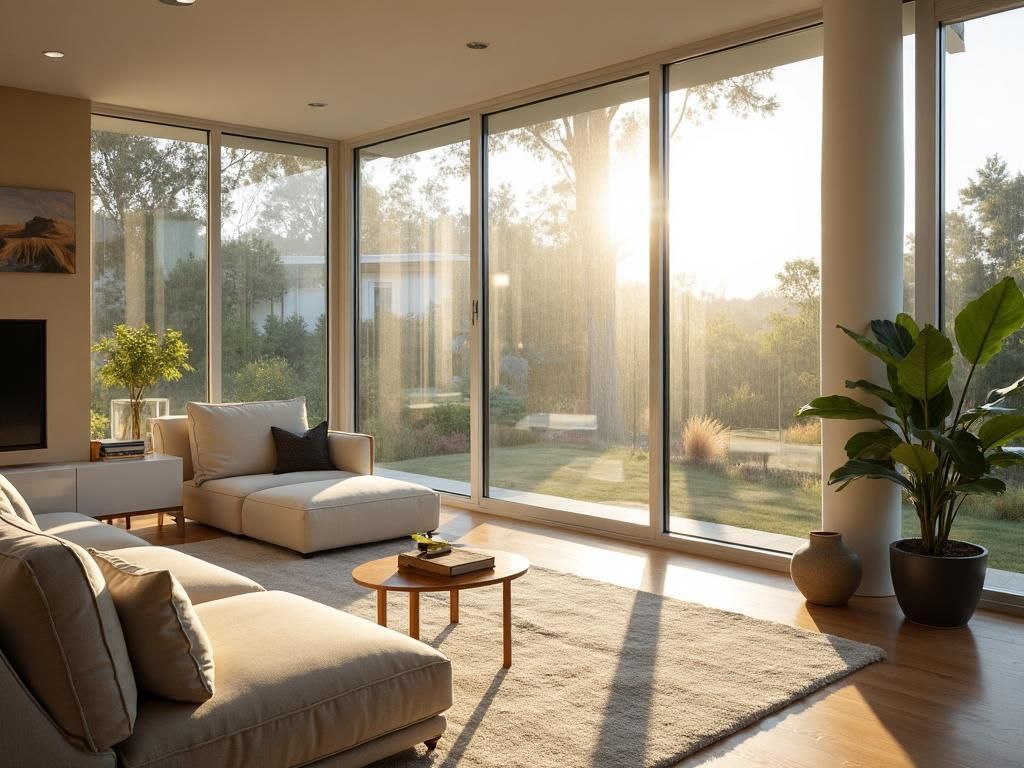
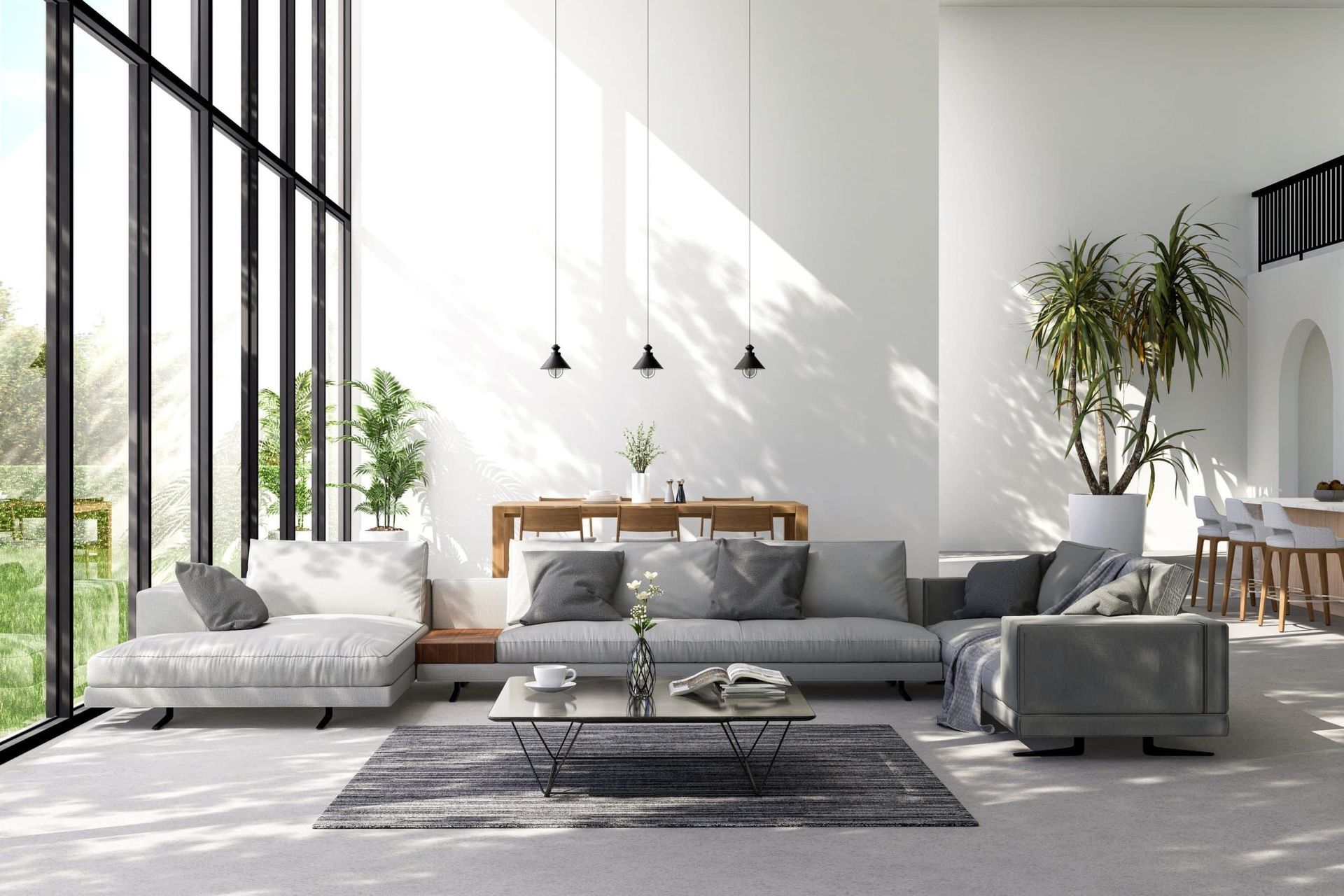
Rooms that see the most benefit are the ones that get direct or prolonged sun exposure: south- and west-facing rooms, sunrooms, home offices with large windows, and any room with hardwood floors or leather furniture positioned near glass. Furnishings, carpets, and floors in these rooms often go from visibly fading within a year or two to showing little to no noticeable change over many years once UV-blocking film is installed.
Window Film vs. Curtains, Blinds, and UV Sprays
Homeowners often ask how window film stacks up against other common fading solutions. Here's a side-by-side comparison.
| Solution | UV Protection | Keeps Natural Light | Maintenance | Typical Lifespan |
|---|---|---|---|---|
| Window Film | Up to 99.9% | Yes | Wipe clean, no moving parts | Many years |
| Blinds/Curtains | Only when fully closed | No (when closed) | Dusting, cords, replacement | Varies, wears out |
| UV Protective Sprays | Limited, degrades quickly | Yes | Reapplication needed regularly | Months |
| Standard/No Treatment | Minimal | Yes | None | N/A |
How UV-Protective Window Film Is Installed
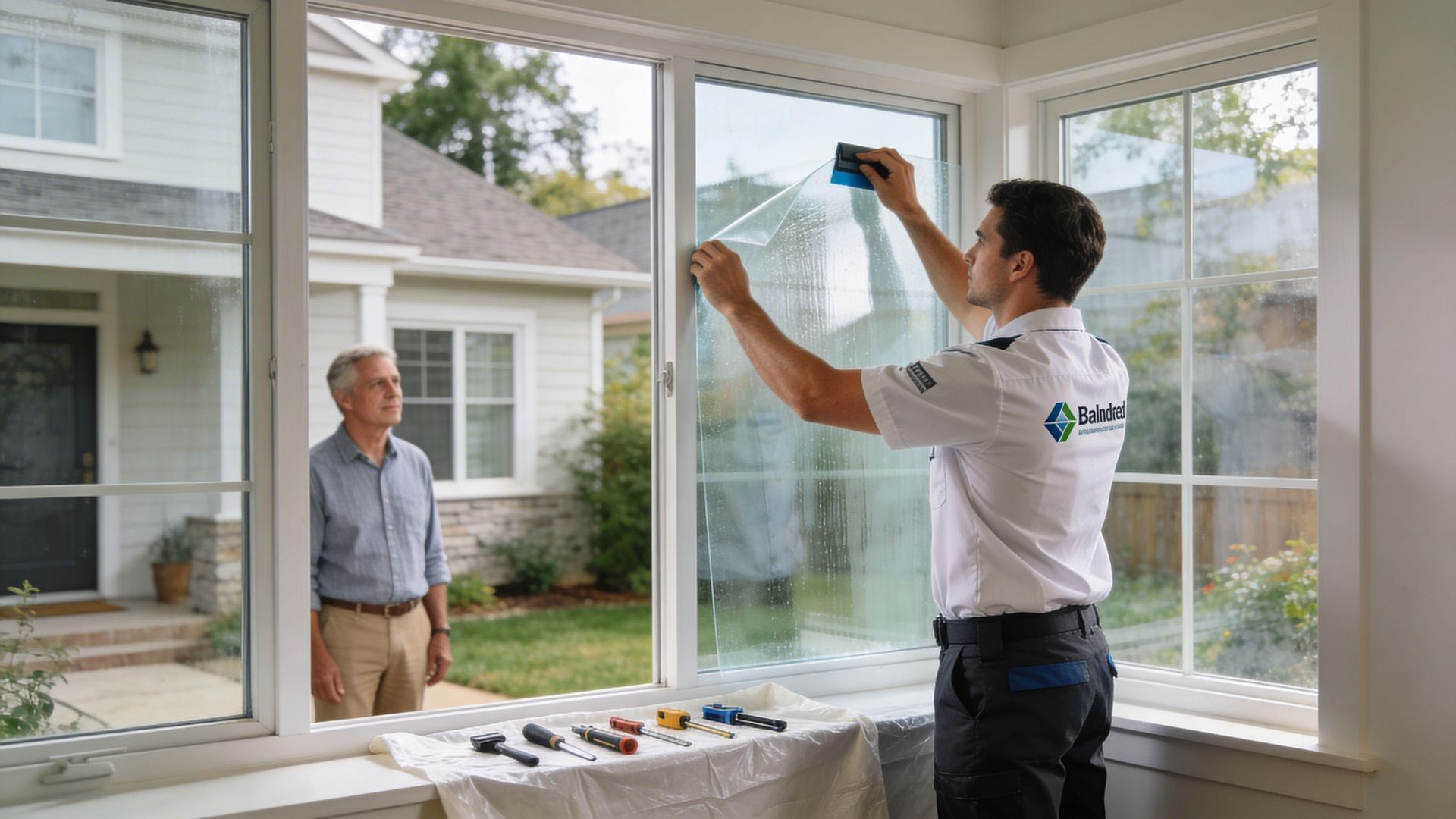
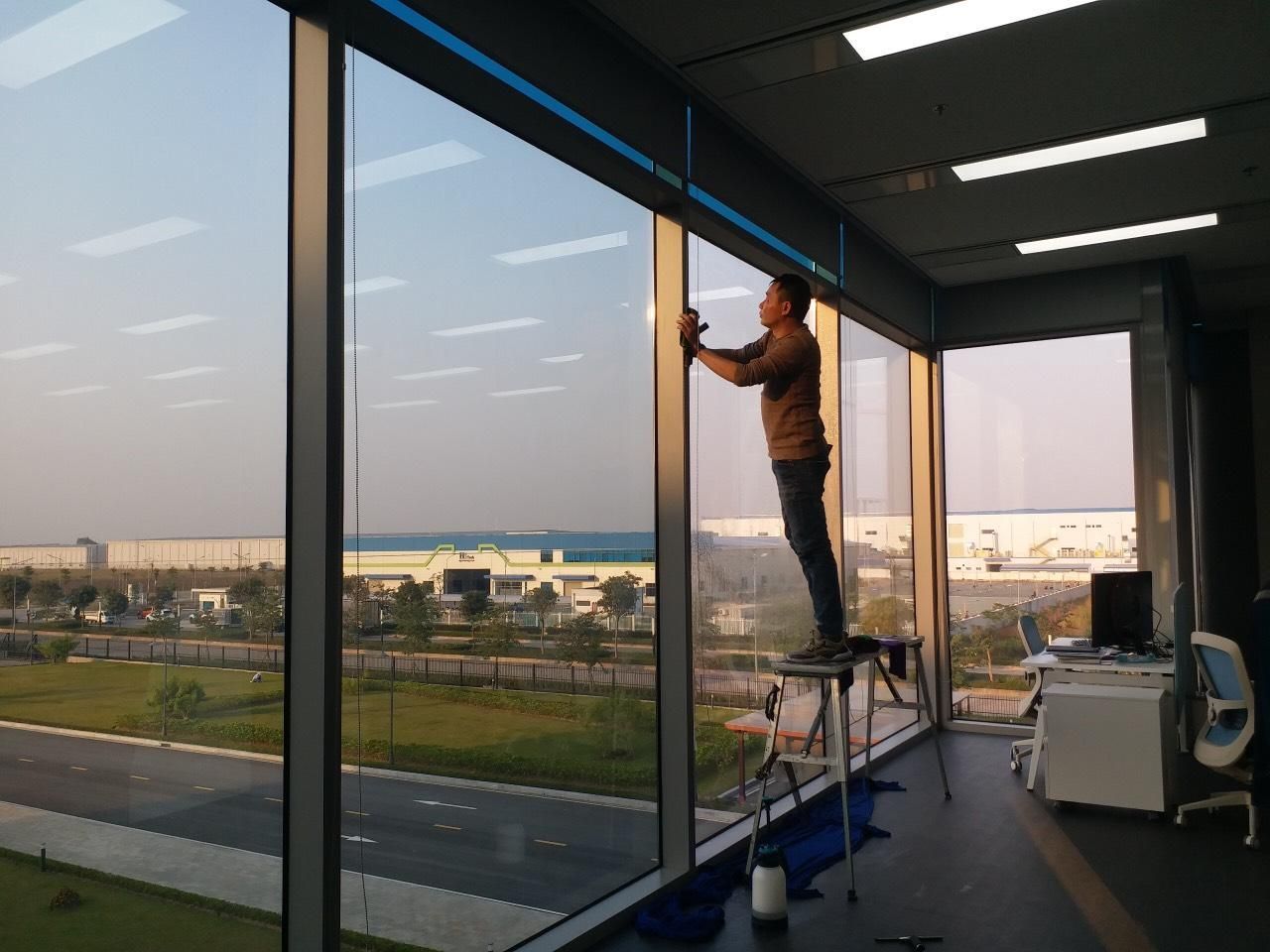
Professional installation is what separates a film that performs for years from one that bubbles, peels, or yellows prematurely. Here's what the process typically looks like.
1. Assessing Sun Exposure and Priorities
An installer evaluates which windows get the most direct sun and which rooms contain the furniture, flooring, or finishes you're most concerned about protecting, so film selection is based on your actual priorities rather than a one-size-fits-all approach.
2. Selecting the Right Film
Depending on your goals — maximum UV protection, added heat rejection, glare reduction, or a completely clear, invisible finish — you'll choose from dyed, metalized, or ceramic film options, including clear UV-blocking formulations that don't change the appearance of your windows at all.
3. Cleaning and Preparing the Glass
Each window is thoroughly cleaned to remove dust, debris, and residue. Any contamination left on the glass can cause bubbling or an uneven finish once the film is applied, so this step is critical to a clean result.
4. Precision Application
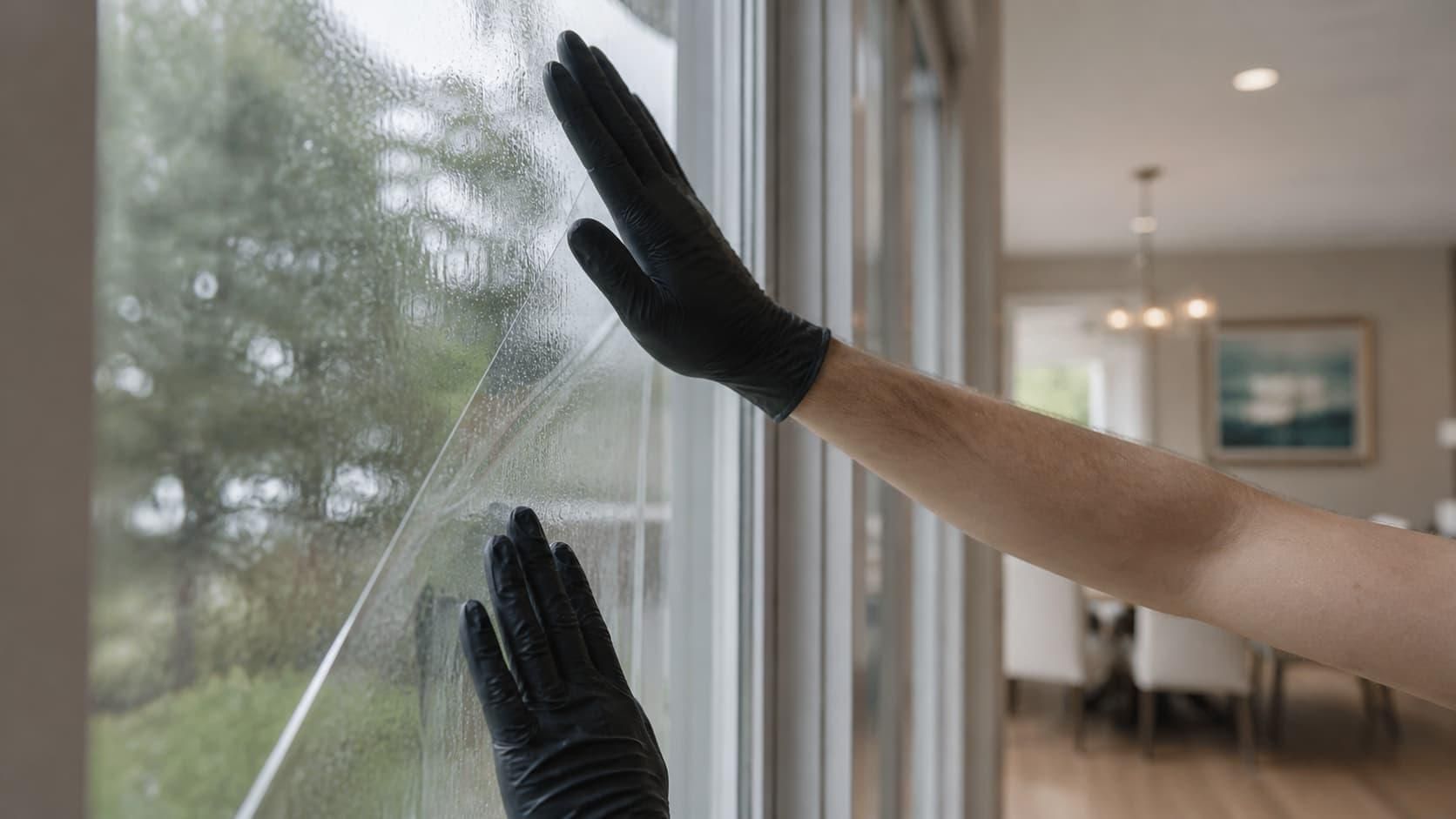
The film is cut to size, applied with a slip solution, and carefully smoothed into place with a squeegee to eliminate air bubbles and ensure full, even adhesion across the glass.
5. Curing Period
After installation, most films need a short curing period to fully bond and reach maximum clarity. Minor haziness during this window is normal and resolves on its own.
Protecting Furniture and Merchandise in Commercial Spaces
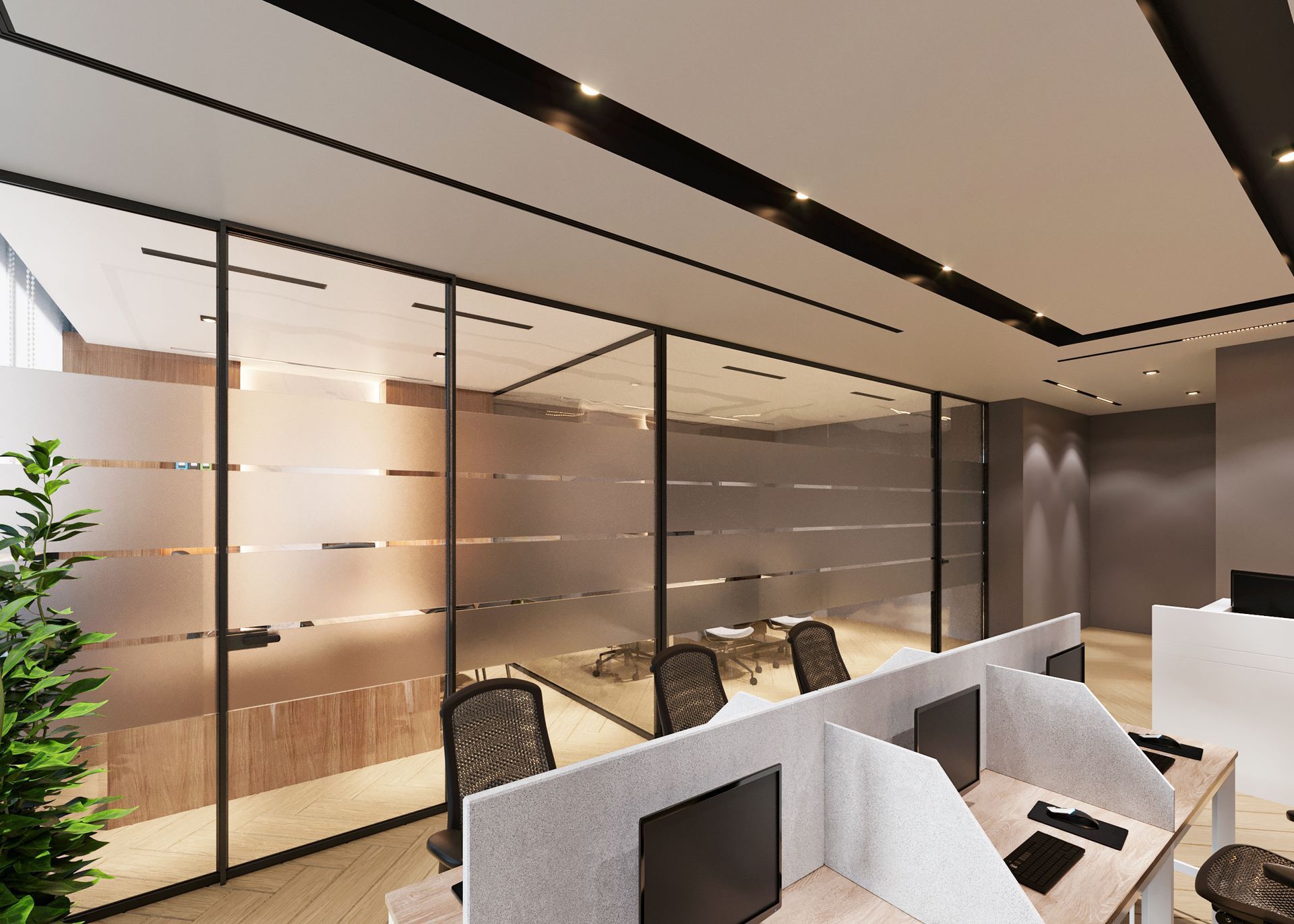
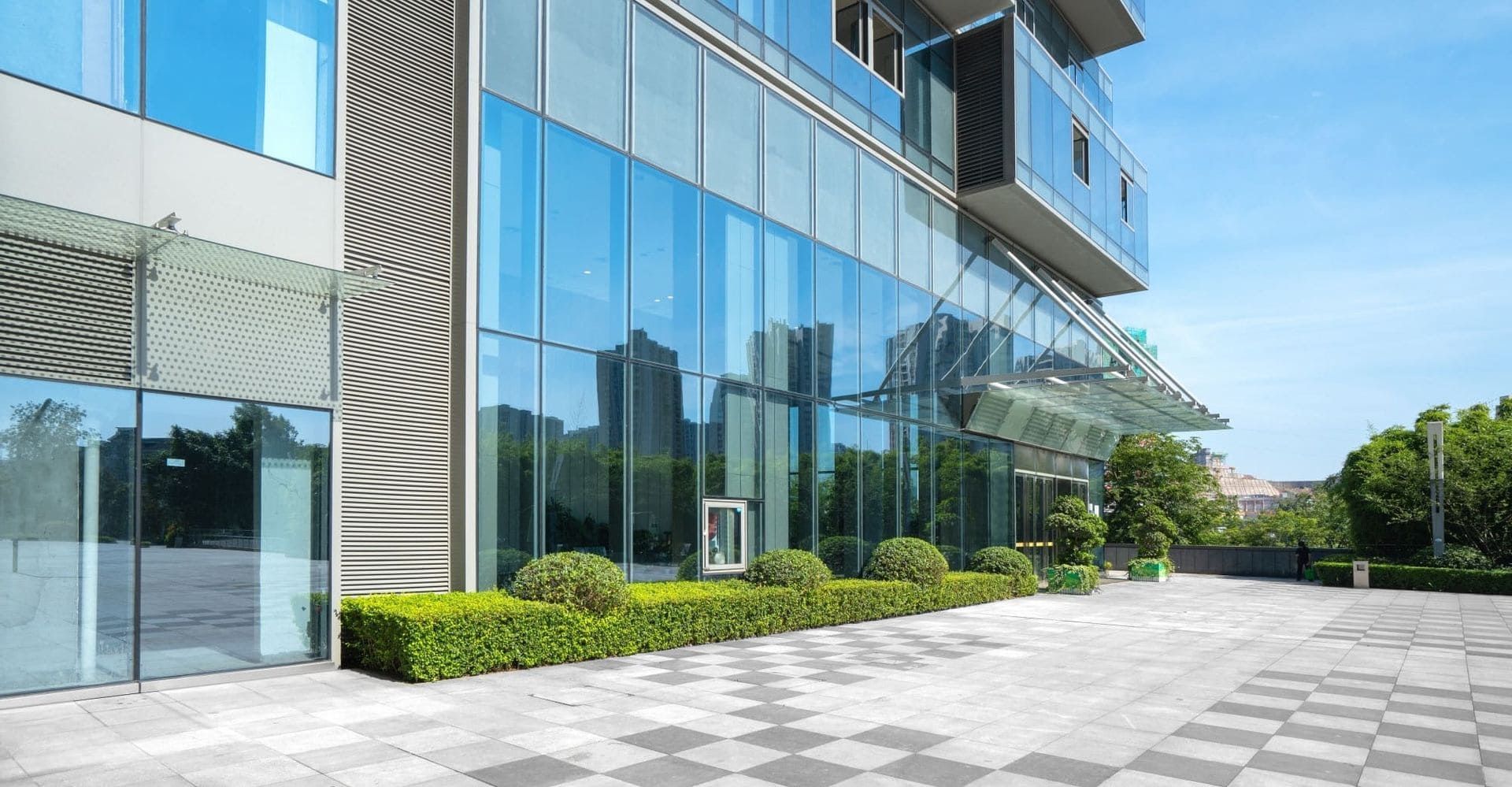
UV fading isn't just a homeowner concern. Retail stores, hotels, restaurants, and offices deal with the same problem on a larger scale — faded merchandise, sun-bleached flooring in high-traffic areas, and furniture and displays that lose their appeal after sitting near storefront glass. Commercial-grade solar films offer the same UV rejection benefits as residential film, protecting retail displays, upholstered seating, and flooring while also improving comfort for employees and customers working or shopping near sun-exposed windows.
Why Asheville, Knoxville & Greenville Homeowners and Businesses Choose EcoArc
EcoArc Home & Office Window Tinting is an exclusive LLumar SelectPro Dealer, offering the premium Vista line of window films to homes and businesses throughout Asheville, Waynesville, and the surrounding Haywood, Buncombe, Jackson, and Henderson County areas, as well as Knoxville, Tennessee, and Greenville, South Carolina. SelectPro status isn't handed out freely — LLumar evaluates dealers on installation quality and customer experience before granting access to its top-tier films and technology.
That means local homeowners and business owners get access to Vista's full UV-blocking lineup, installed by technicians trained specifically in film application, with the goal of protecting what's inside your home or business as much as improving comfort and energy efficiency.
Frequently Asked Questions About Window Film and UV Fading Protection
How much UV protection does window film provide?
Premium films like LLumar's Vista series block up to 99.9% of UVA and UVB rays, compared to minimal UV filtering from standard, untreated glass.
Will window film make my windows look tinted or dark?
Not necessarily. Clear, UV-blocking films are available that provide full UV protection with virtually no visible change to the glass, so you can protect interiors without altering the look of your home or business from outside or in.
Does window film stop fading completely, or just slow it down?
It dramatically slows fading by eliminating the primary cause — UV exposure — though heat and visible light play a small remaining role for the most light-sensitive materials. For most furniture, flooring, and fabrics, the visible reduction in fading is substantial.
Which rooms benefit most from UV-protective film?
South- and west-facing rooms, sunrooms, and any space with hardwood floors, leather furniture, or artwork positioned near windows see the most noticeable benefit, since these areas receive the most direct, prolonged sun exposure.
Is window film better than keeping blinds closed?
Yes, for most households. Blinds only protect furniture while closed, which limits natural light. Window film provides continuous UV protection while keeping the room bright, without requiring you to change how you use the space.
How long does UV-protective window film last?
Quality film, properly installed, typically performs for many years with minimal maintenance — a simple wipe-down with glass cleaner is usually all that's needed to keep it looking and performing well.
Protect Your Home or Business From UV Fading
Fading is one of those problems that's easy to ignore until it's already happened — and by then, the damage to furniture, flooring, and finishes is permanent. UV-protective window film is a straightforward, cost-effective way to stop that damage before it starts, without giving up the natural light that makes a room feel good to be in.
EcoArc Home & Office Window Tinting, an exclusive LLumar SelectPro Dealer, offers free estimates for residential and commercial UV-protective window film throughout Asheville, Knoxville, and Greenville. Reach your local team — Asheville at (828) 545-8750, Knoxville at (865) 214-7646, or Greenville at (864) 214-5051 — to find the right film for protecting your home or business.