How Long Does Solar Window Film Last on Homes and Offices? A Lifespan Guide for Asheville, Knoxville & Greenville
Solar window film is an investment in comfort, energy savings, and UV protection. Before you commit, it's reasonable to ask how many years you'll actually get out of it.
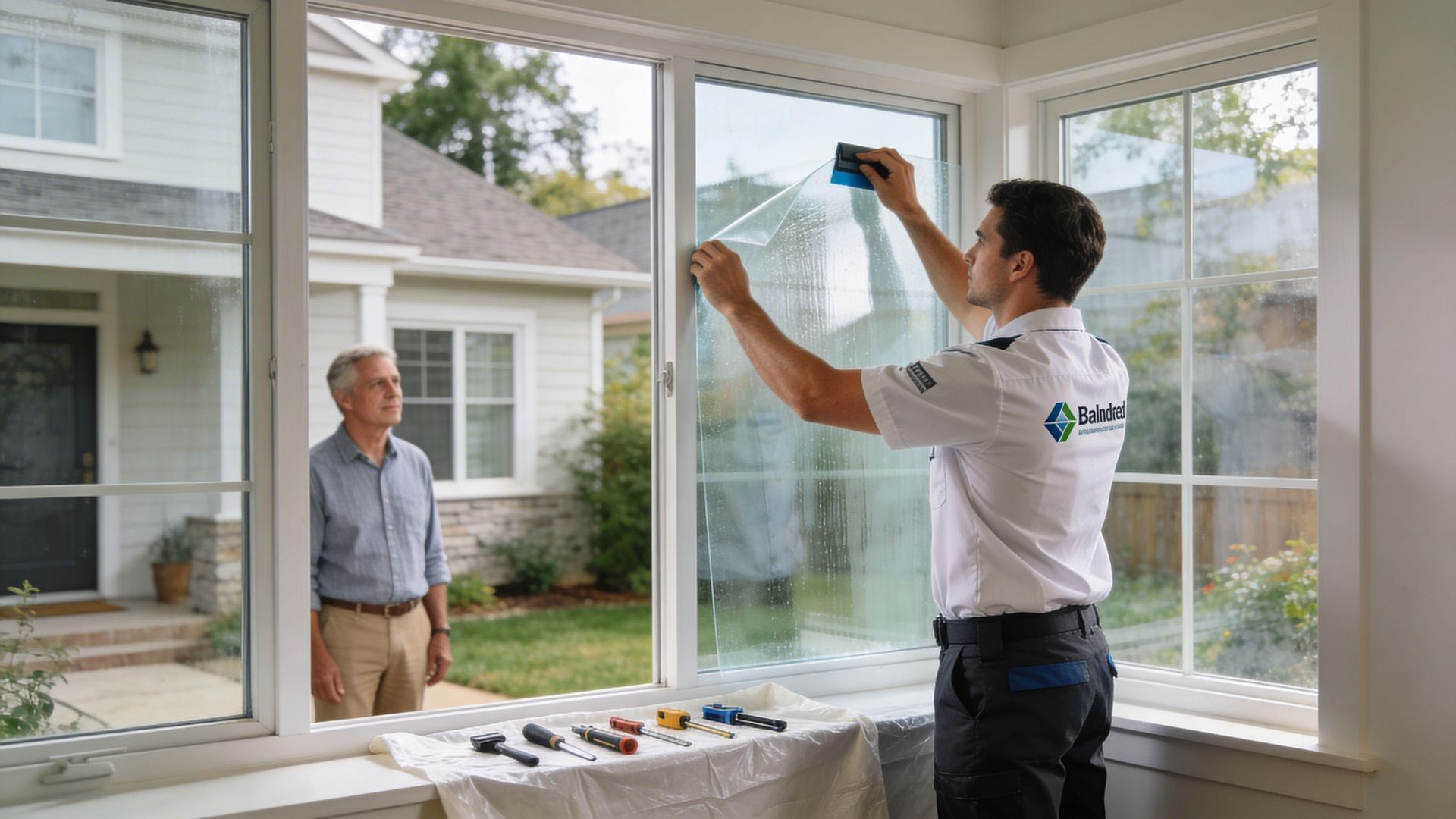
The short answer is that professionally installed interior solar window film typically lasts 10 to 20 years or more on homes and offices. Exterior-mounted films usually last less, often around 5 to 10 years, because they face weather directly. Premium films applied by trained installers tend to land at the upper end of those ranges.
How long your film lasts depends on more than the product. Sun exposure, glass type, installation quality, and how you clean it all play a role. This guide is for homeowners and commercial property owners in Asheville, Knoxville, Greenville, and across Western North Carolina, East Tennessee, and Upstate South Carolina. It explains what to expect, what shortens a film's life, and how to protect your investment for years.
Quick Answer: Average Lifespan of Solar Window Film
The typical lifespan depends mostly on where the film is mounted and how it is made:
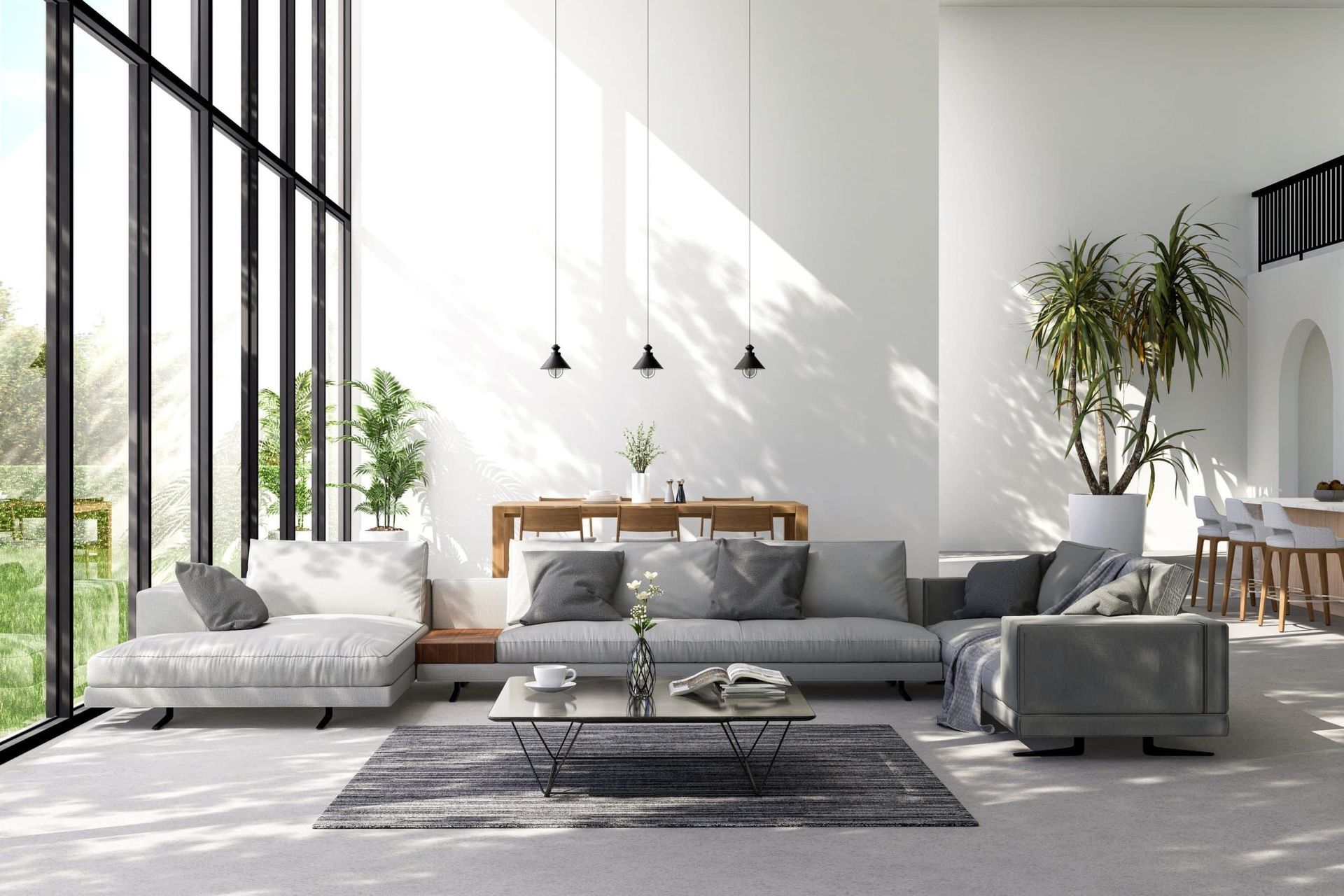
- Interior residential solar film: Typically 15 to 20+ years
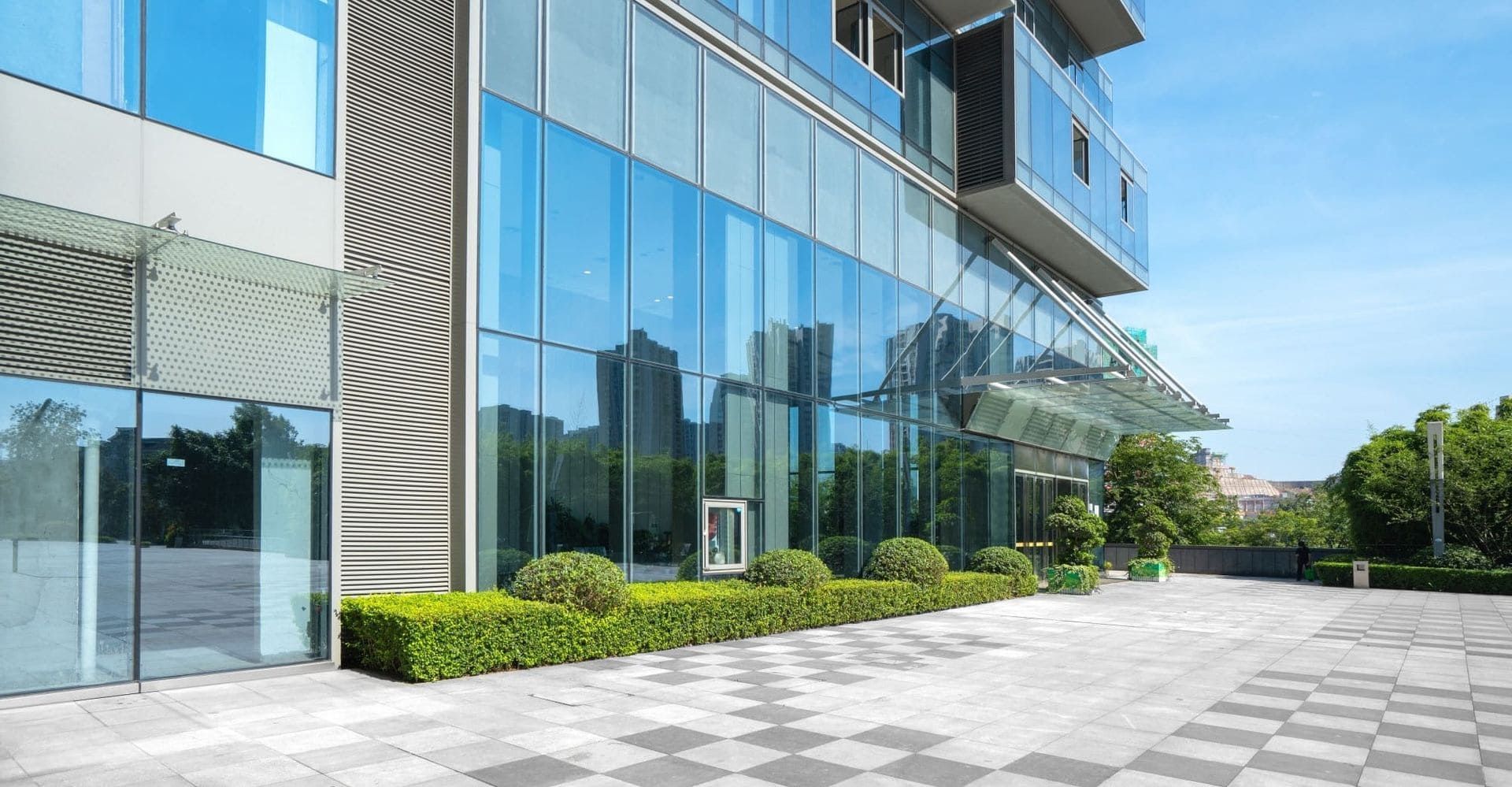
- Interior commercial solar film: Typically 10 to 20 years
- Exterior solar film: Typically 5 to 10 years
- Low-quality dyed film: Often only a few years before fading or discoloring
The single biggest factor is film quality. The second is installation. A premium film that is installed poorly can fail early, while a well-installed quality film often outlasts its warranty.
Solar Window Film Lifespan by Film Type
Different film constructions age in different ways. Here is how common solar film types compare:
| Film Type | Typical Lifespan (Interior) | How It Ages | Color Stability |
|---|---|---|---|
| Dyed film | Short, often a few years | Dye breaks down under UV | Can fade or turn purple |
| Metallized/reflective film | Long | Very stable if the edges stay sealed | Excellent |
| Dual-reflective film | Long | Stable, similar to reflective | Excellent |
| Nano-ceramic film | Long | Metal-free and corrosion resistant | Excellent |
| Spectrally selective film | Long | Stable, holds optical clarity | Excellent |
| Low-E film | Long | Performs well with proper care | Very good |
| Exterior film | Shorter, typically 5 to 10 years | Faces weather and abrasion | Good, with protective hardcoat |
This is why the cheapest film is rarely the least expensive choice over time. A budget dyed film may need replacing two or three times during the life of one quality ceramic or metallized film.
EcoArc installs LLumar's Vista line of residential and commercial films, which includes reflective, dual-reflective, ceramic, spectrally selective, Low-E, and exterior options.
What Shortens the Life of Solar Window Film?
Even the best film can wear out early under the wrong conditions. Most early failures come from one or more of the following causes.
Intense, Direct Sun Exposure
South- and west-facing windows get the most hours of direct sunlight. Film on these windows does the hardest work and ages faster. Our region's higher elevations also bring stronger UV exposure than many people expect, which is exactly why quality UV-stable film matters here.
Poor Installation
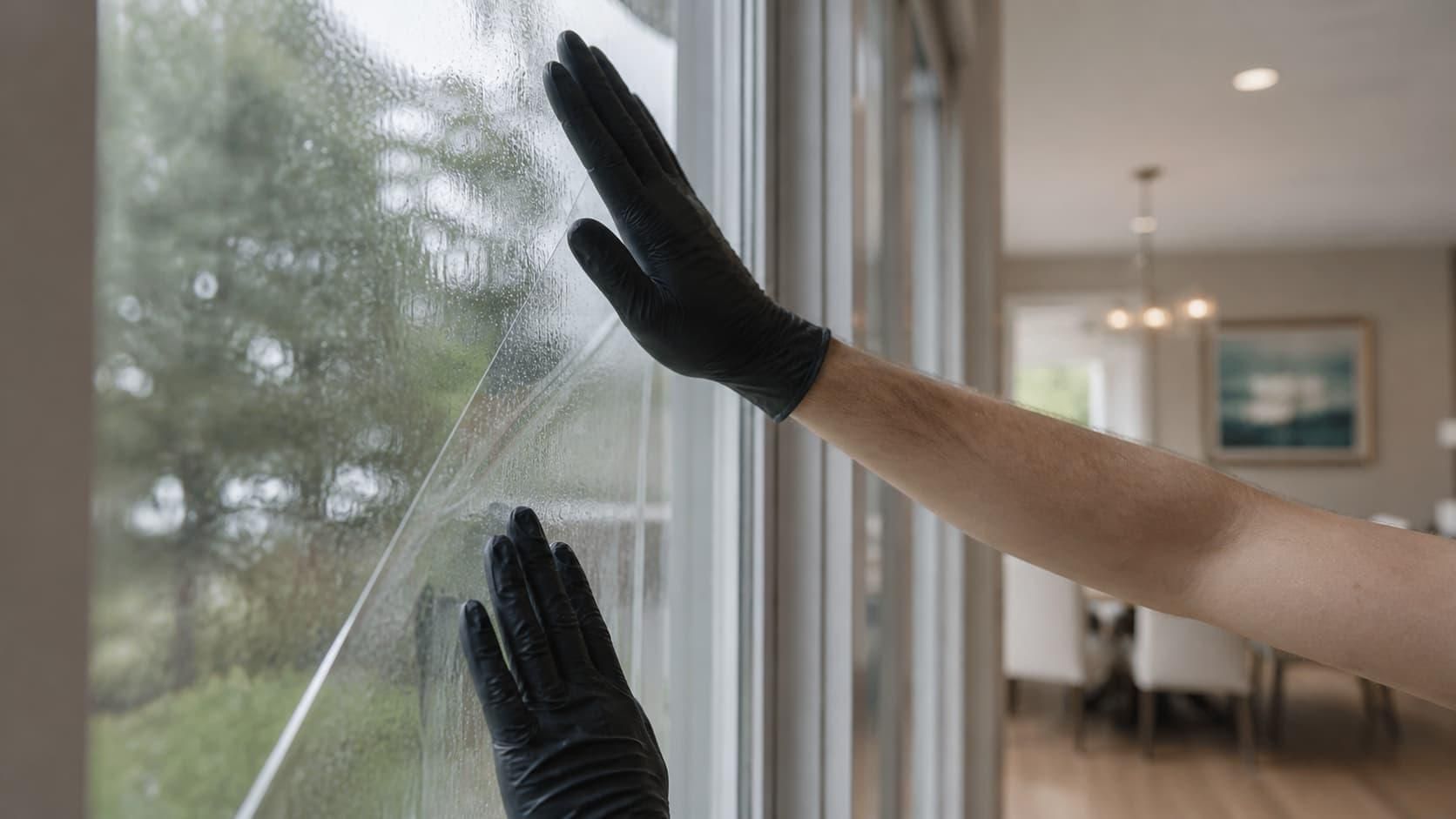
Dust trapped under the film, contaminated slip solution, poorly trimmed edges, and incomplete squeegeeing all create weak points. These flaws can cause edge lifting, bubbling, or peeling over time, sometimes years after the job looked perfect on day one.
Film-to-Glass Mismatch
Not every film is right for every window. Glass type, thickness, window size, and the condition of insulated glass seals all affect which films can be safely applied. The wrong pairing can increase thermal stress on the glass. A professional glass evaluation before installation prevents this.
Harsh Cleaning Products and Tools
Ammonia-based cleaners, abrasive pads, and razor blades can scratch the film's surface or weaken its adhesive. Many early failures in offices trace back to janitorial crews using the wrong products.
Weather Exposure on Exterior Films
Exterior films face rain, pollen, freeze-thaw cycles, and humidity. Our four-season climate in the Southern Appalachians is harder on outward-facing film than a mild climate would be. That is why exterior films have shorter lifespans than interior films.
Physical Contact and Wear
In homes, pet claws, blinds dragging across glass, and furniture pressed against windows cause wear. In offices, doors, storefront glass, and high-traffic areas take repeated contact from hands, carts, and signage.
Does Solar Film Last Longer on Homes or Offices?
Homes and commercial buildings put window film through different conditions. Here's how they compare.
| Factor | Homes | Offices and Commercial Buildings |
|---|---|---|
| Typical lifespan (interior film) | Often 15 to 20+ years | Often 10 to 20 years |
| Daily wear | Lower | Higher, especially on doors and storefronts |
| Cleaning frequency | Occasional | Frequent, often by outside crews |
| Sun exposure | Varies by orientation | Often large, fully exposed glass walls |
| Typical warranty length | Often longer | Often shorter than residential |
| Biggest lifespan risk | Pets, blinds, harsh cleaners | Janitorial products, door and entryway wear |
Residential film often lasts longer simply because windows in homes see less contact and gentler cleaning. That is also why film manufacturers commonly offer longer warranty terms on residential installations than on commercial ones.
Signs Your Solar Window Film Needs Replacing
Solar film rarely fails all at once. Watch for these warning signs:
| Warning Sign | What It Usually Means |
|---|---|
| Bubbling or blistering | Adhesive failure or trapped moisture |
| Peeling or lifting edges | Adhesive breakdown or damage from cleaning |
| Purple or brown tint | Dye breakdown in lower-quality film |
| Cloudy or hazy appearance | Aging adhesive or surface degradation |
| Cracking or crazing | Film has reached the end of its life |
| Scratches across the view | Abrasive cleaning or physical contact |
| Rooms feel hotter than before | Reduced solar performance |
A few small bubbles in the first weeks after installation are usually normal. That is moisture still curing out. Bubbles that appear years later are a different story and usually signal adhesive failure.
If you notice these signs, old film should be removed professionally. Aged adhesive can be stubborn, and scraping it off without the right tools and techniques risks scratching the glass.
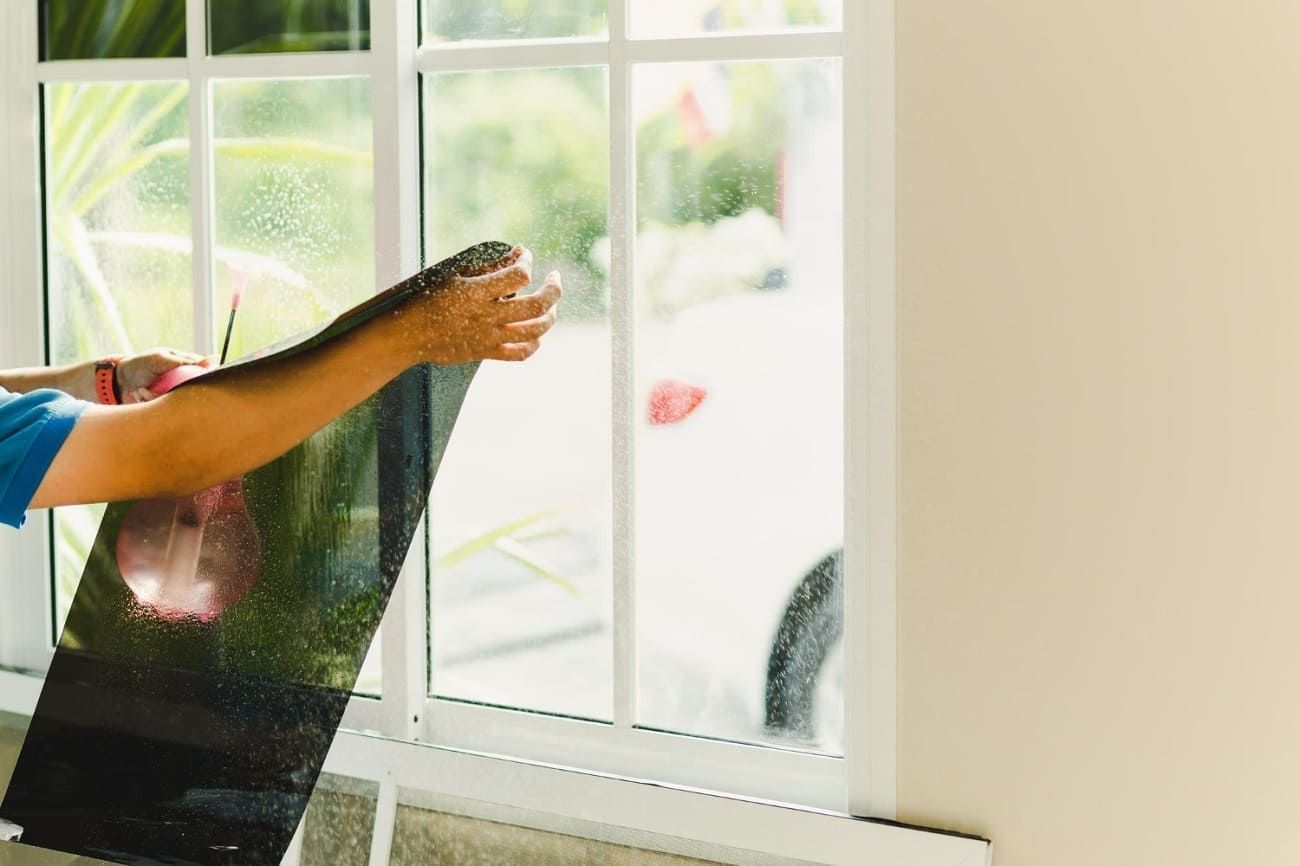
How to Make Your Solar Window Film Last Longer: 6 Steps
A little care goes a long way. These steps help homeowners and facility managers get the most years out of their film.
1. Choose Quality Film From the Start
Film construction determines how well it resists UV breakdown. Metallized, ceramic, and spectrally selective films are far more color-stable than dyed films.
2. Hire a Trained, Authorized Installer
Installation quality is the biggest controllable factor in lifespan. Trained installers prepare the glass, match film to glass, and seal edges properly. Many manufacturer warranties also require installation by an authorized dealer.
3. Let the Film Cure Before Cleaning
Newly installed film needs time for moisture to dry out and the adhesive to bond. Your installer will tell you how long to wait before cleaning, which is commonly around 30 days. Cooler, cloudy weather can lengthen curing time.
4. Clean Gently With the Right Products
Use a mild, ammonia-free cleaner or a few drops of gentle soap in water. Wipe with a soft microfiber cloth or a clean rubber squeegee. Avoid paper towels, abrasive pads, and anything with ammonia or harsh chemicals.
5. Brief Your Cleaning Crew
For offices, retail spaces, and multi-tenant buildings, share care instructions with your janitorial or window-cleaning vendor. One wrong cleaning product can undo years of film life.
6. Protect Film From Physical Contact
Keep blinds from dragging across glass. Position furniture, displays, and signage so they don't rub against filmed windows. Consider protective hardware on frequently touched doors.
Is Solar Window Film Covered by a Warranty?
Most quality solar window films are backed by a manufacturer's limited warranty when a professional dealer installs them. Coverage typically protects against defects such as:
- Peeling
- Bubbling
- Cracking or crazing
- Delamination
- Adhesive failure
- Unusual color change
Warranty length varies with the film, whether it is installed on a home or a commercial building, and whether it is mounted inside or outside. Residential coverage is often longer than commercial coverage, and exterior films generally carry shorter terms.
Keep your installation paperwork. Ask your installer exactly which film was used and what its warranty covers, including whether labor for replacement is included.
Is Solar Window Film Worth It Given Its Lifespan?
For most homes and offices, yes. A quality film that lasts 10 to 20 years delivers:
- Energy savings every cooling season. EcoArc reports that its commercial films save an average of 5 to 15% on a building's energy costs.
- About 99% UV blocking, which slows fading of floors, furniture, artwork, and merchandise year after year.
- Glare reduction and more even room temperatures throughout the day.
- Far lower cost than replacing windows, with minimal disruption during installation.
Spread across its service life, premium film often costs less per year than cheaper film that has to be replaced repeatedly. You can estimate the energy savings for your property with EcoArc's residential and commercial energy savings calculators.
Why Installation Quality Matters: The EcoArc Difference
EcoArc Home & Office Window Tinting is an exclusive LLumar SelectPro dealer for the Asheville, Knoxville, and Greenville areas. LLumar evaluates SelectPro dealers on customer experience before granting the designation, and SelectPro dealers get access to LLumar's premium Vista films.
EcoArc is family-owned and operated by twin brothers Bryant and Shea Devlin, who bring more than 30 years of combined window film experience. The team has installed film on homes, office buildings, gyms, restaurants, doctors' offices, and more.
EcoArc serves homes and businesses in Buncombe, Haywood, Henderson, and Jackson counties in North Carolina, the greater Knoxville area, and Greenville, Spartanburg, and Anderson counties in South Carolina.
Frequently Asked Questions About Solar Window Film Lifespan
How many years does home window tint last?
Quality interior solar film on a home typically lasts 15 to 20 years or more. How long yours lasts depends on sun exposure, installation quality, and how gently it is cleaned.
How long does commercial window film last?
Interior commercial window film typically lasts 10 to 20 years. Exterior commercial films usually last around 5 to 10 years because they face weather directly.
Does window film lose its effectiveness over time?
Quality metallized, ceramic, and spectrally selective films hold their performance well for most of their service life. Lower-quality dyed films can lose heat and glare control as the dye breaks down.
Why does old window tint turn purple?
Purple tint is a sign of dye breakdown in lower-quality dyed films. UV exposure destroys the dye over time. Metallized and ceramic films resist this discoloration.
Is it normal for new window film to have bubbles?
Yes. Small bubbles or haziness in the first few weeks are usually moisture that will cure out. Bubbles that persist or appear years later can signal adhesive failure.
Can old window film be removed and replaced?
Yes. Old film and aged adhesive can be removed professionally and replaced with new film. Professional removal reduces the risk of scratching glass.
Does solar film void my window warranty?
It can depend on the window manufacturer. Ask your installer to review film-to-glass compatibility and warranty considerations before installation.
Get Solar Window Film Built to Last
So how long does solar window film last on homes and offices? With quality film and professional installation, you can expect 10 to 20+ years from interior film and around 5 to 10 years from exterior film. The choices you make up front, including film type, installer, and care routine, decide which end of that range you reach.
If you own a home or manage a commercial property in Asheville, Knoxville, Greenville, or anywhere across Western North Carolina, East Tennessee, and Upstate South Carolina, EcoArc Home & Office Window Tinting can help you choose a film that will perform for years. EcoArc can also evaluate aging film that may need replacement. Request a free residential or commercial estimate online, or call the location nearest you:
- Asheville: (828) 545-8750
- Knoxville: (865) 214-7646
- Greenville: (864) 214-5051