
Is Anti-Glare Window Film Worth It for Home Offices in Asheville?
Yes. For most home offices that get direct sun, anti-glare window film is worth it. A quality professional film can cut window glare by up to 87%, block 99% or more of UV rays, and reduce solar heat. You don't have to close the blinds and work in the dark to get those benefits. For remote workers in Asheville, Knoxville, Greenville, and the mountain and foothill towns around them, that means less squinting, a screen you can read at 3 p.m., and a room that stays comfortable all year.
If you work from a spare bedroom, a converted sunroom, or a loft with big west-facing windows, you know the problem. Bright sun washes out your monitor, bounces off your desk, and turns video calls into silhouette shots. Closing the blinds fixes the glare, but you lose the natural light and the view that made you choose that room.
This guide covers what anti-glare window film does and where it helps most. It compares film to blinds and screen filters, explains which film types suit a home office, and walks through installation. It comes from EcoArc Home & Office Window Tinting, a family-owned LLumar SelectPro dealer serving Western North Carolina, East Tennessee, and Upstate South Carolina.
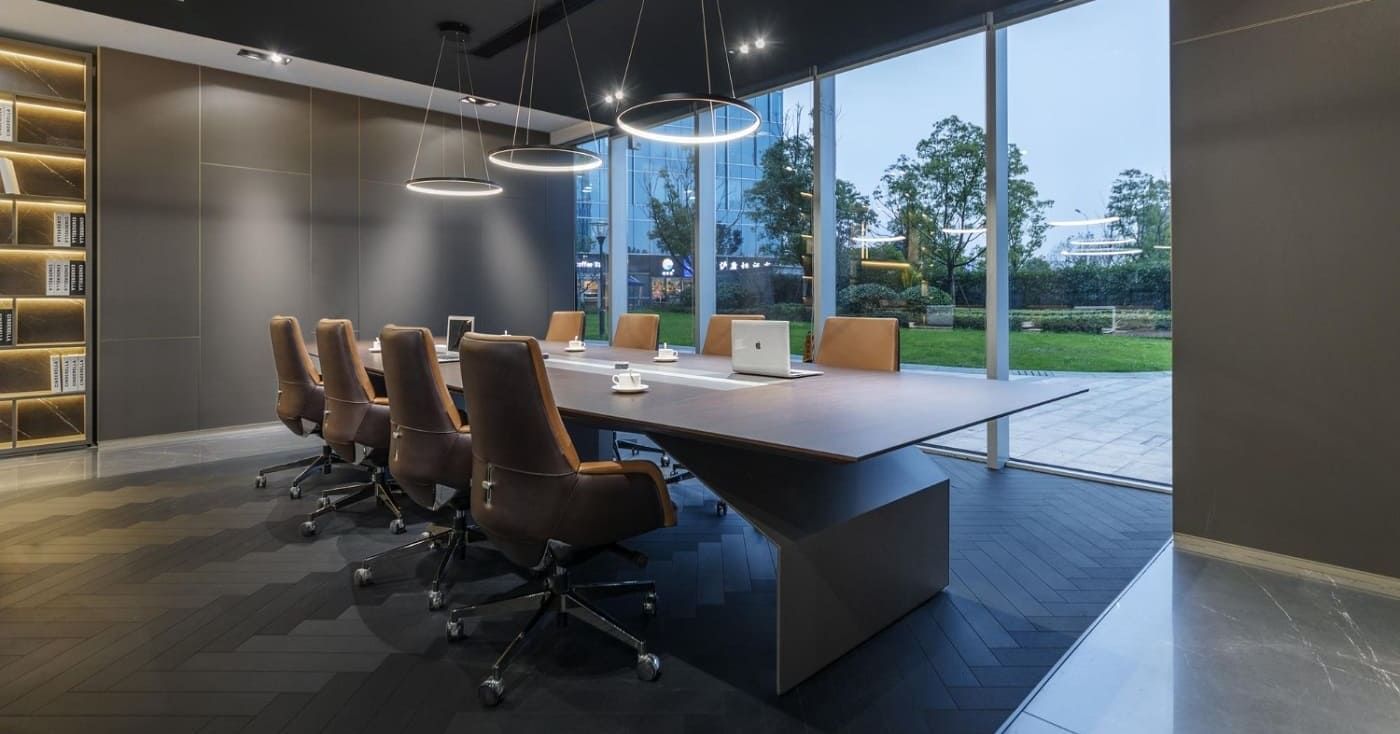
What Is Anti-Glare Window Film and How Does It Work?
Anti-glare window film is a thin, optically clear polyester layer applied to the inside (or sometimes the outside) of your existing glass. It reduces glare by controlling how much visible light comes through the window and by reflecting or absorbing part of the sun's energy before it reaches your workspace.
Most anti-glare films used in homes are
solar control films. That means they also handle two other home office problems:
- Heat: Premium films can reject a large share of incoming solar energy, so the room doesn't overheat in the afternoon.
- UV rays: Quality films block 99% or more of ultraviolet light. That protects your skin, your eyes, and your desk, flooring, and furniture from fading.
Glare isn't only about brightness. It's about contrast. When a window behind or beside your monitor is far brighter than the screen, your eyes keep readjusting, and that's when strain and headaches start. Film narrows that contrast gap, so your screen and the room around it sit closer to the same brightness level.
Why Are Home Offices in Western North Carolina So Prone to Glare?
Homes in the Asheville area, the Smokies foothills around Knoxville, and the Upstate around Greenville face some regional glare challenges that flatland homes often don't.
Low Winter Sun Reaches Deep Into Rooms
From late fall through winter, the sun sits low in the southern sky. Instead of hitting your roof, it shines almost straight through south- and west-facing windows and across your desk. Many remote workers find their glare problem is worst from November through February, which is exactly when they want the light and warmth.
Mountain Homes Are Built for Views
Homes in places like Waynesville, Black Mountain, Hendersonville, and Sevierville are often designed around long-range views, with large picture windows, walls of glass, and open lofts. Those windows are why you bought the house. They're also why your monitor turns into a mirror every afternoon.
Elevation and Reflective Surroundings
Sunlight at higher elevations tends to be more intense. Reflections from water, snow, metal roofs, or light-colored decking can also bounce extra glare into a room from angles that blinds don't block well.
Video Calls Make Glare Everyone's Problem
If a bright window sits behind you, your camera adjusts to the sky and you become a dark outline. If it sits in front of you, it reflects off your glasses. Either way, glare affects how you look on camera, not just how you feel.
Is Anti-Glare Window Film Worth It? Benefits and Drawbacks
Window film is worth the investment when glare, heat, or sun exposure regularly gets in the way of your workday. Here is the honest picture.
The Benefits
- Readable screens all day: Cutting glare by up to 87% can mean you no longer need to rearrange your desk around the sun's path.
- Natural light stays: You can keep blinds open and your view intact, which many people find better for mood and focus.
- More even temperatures: Rooms with heavy sun exposure stay cooler in the afternoon, so you're not cranking the AC for one hot room.
- UV protection: Blocking 99% or more of UV rays protects your skin during long hours by the window. It also slows fading of hardwood floors, rugs, desks, and artwork.
- Lower energy use: Less solar heat gain means your HVAC system works less hard. Some films also help hold heat in during winter.
- Cheaper than new windows: Professionally installed energy-saving film costs about one-fifth as much as replacement windows when the existing windows are in good shape.
The Drawbacks
- Some films darken the room: Darker films give stronger glare control but let in less light. The right film balances the two.
- It isn't a DIY-friendly product: Bubbles, dust, and peeling edges are common with store-bought kits, especially on large panes.
- Not every glass type suits every film: Some double-pane and specialty glass needs a compatible film to avoid heat stress. A professional should check this first.
- Damaged windows still need replacing: Film improves sound windows. It won't fix failed seals or rotting frames.
For most home offices with a direct-sun window, the benefits clearly outweigh the drawbacks, provided the film is matched to the room and installed professionally.
Anti-Glare Window Film vs. Other Glare Solutions
How does film compare to the other fixes people usually try first? Here's a side-by-side look.
| Solution | Reduces Screen Glare | Keeps Natural Light and View | Blocks Heat | Blocks UV | Long-Term Upkeep |
|---|---|---|---|---|---|
| Professional window film | Yes, up to 87% | Yes | Yes | 99%+ | Minimal |
| Blinds or shades | Yes, when closed | No, when closed | Partially | Partially | Dusting, repairs |
| Blackout curtains | Yes | No | Partially | Partially | Laundering |
| Monitor anti-glare filter | Screen only | Yes | No | No | Replace when worn |
| Replacement windows | Depends on glass | Yes | Yes | Varies | Low, but high upfront cost |
The key difference is that blinds and curtains only solve glare by blocking the window entirely. A monitor filter helps your screen but does nothing for heat, eye strain from the bright window, or fading. Film is the one option that addresses glare, heat, and UV while leaving the window usable.
Which Type of Window Film Is Best for a Home Office?
There's no single "best" film. The right choice depends on which direction your windows face, how much light you want, and whether you care about keeping your home's exterior look unchanged. EcoArc installs LLumar's Vista residential line. Several of its film series work well in home offices:
| Film Series | Best For | Glare Control | Appearance |
|---|---|---|---|
| Ceramic | Balanced glare and heat control with a natural look | Good | Neutral color, low reflectivity, clear night views |
| Spectrally-Selective | Maximum heat rejection while keeping rooms bright | Light to moderate | Virtually invisible |
| Dual-Reflective | Strong afternoon sun and heavy glare | Strong | Blue-gray tint, low interior reflection |
| Harmony | Rooms with serious heat and glare | Moderate | Very low reflectivity, warm tone option |
| Low-e | Year-round comfort, especially drafty rooms | Moderate | Subtle |
| Neutral | Even light with no color cast | Moderate | Uniform, no strong tint |
Quick guidance by window direction:
- West-facing office: This is the toughest case because of harsh late-afternoon sun. Dual-Reflective or Harmony films usually give the best relief.
- South-facing office: Ceramic or Low-e films handle low winter sun and add comfort in every season.
- East-facing office: Morning glare is usually milder. Ceramic or Neutral films often hit the right balance.
- North-facing office: Glare is rarely the main issue. Spectrally-Selective or clear UV film can protect your furnishings without dimming the room.
EcoArc's online residential film viewer lets you preview how different films look before you commit.

How to Tell If Your Home Office Needs Window Film
Anti-glare film is likely a good fit if any of these sound familiar:
- You tilt, move, or dim your monitor at certain times of day.
- You close the blinds during work hours and turn on overhead lights at noon.
- The room is noticeably hotter than the rest of the house in the afternoon.
- You get eye strain or headaches that ease up on cloudy days.
- Your desk, floor, or rug is fading near the window.
- You look washed out or backlit on video calls.
If you checked two or more, film will likely make a real, everyday difference.
What Happens During Professional Window Film Installation?
A professional installation usually takes a few hours for a typical home office, depending on the number and size of windows.
Free Estimate and Site Evaluation
An installer looks at the room's sun exposure, window direction, glass type, and your goals. These might be less screen glare, cooler afternoons, more privacy, or all three. This is also when glass compatibility is checked.
Film Selection
You compare samples and shades so you can see how each option affects light, glare, and your view before deciding.
Glass Preparation
The glass is thoroughly cleaned and the edges detailed so no dust or debris gets trapped under the film.
Precision Application
The film is cut to fit, applied with a slip solution, and squeegeed to remove water and air. EcoArc's installers are professionally trained in current tools and techniques, which is what separates a clean, edge-to-edge finish from a bubbly DIY job.
Curing
Slight haziness or small water pockets right after installation are normal and disappear as the film cures. Your installer will tell you how long to wait before cleaning the windows and which cleaners to avoid.
How Much Does Anti-Glare Window Film Cost, and Is It a Good Investment?
Cost depends on the size and number of windows, the film series you choose, glass type, and access, such as tall loft or stairwell windows. Because every home office is different, an on-site estimate is the most reliable way to get an accurate number.
The value side is easier to measure. Professionally installed energy-saving film costs roughly one-fifth as much as replacing windows. The returns also add up in ways beyond your utility bill:
- Hours of comfortable, glare-free work every week
- Less HVAC strain in your hottest room
- Protection for furniture, flooring, and equipment from UV fading
- A workspace you want to use, instead of one you work around
For anyone working from home full-time, the productivity and comfort gains alone usually justify the cost.
Frequently Asked Questions About Anti-Glare Window Film
Does anti-glare window film make a room darker?
It depends on the film. Light and spectrally-selective films are nearly invisible and keep rooms bright. Darker or reflective films give stronger glare control but reduce visible light more. A professional can help you find the balance that suits your workspace.
Can you still see out of windows with anti-glare film?
Yes. Residential films are optically clear, so your view stays intact. Low-reflectivity films such as LLumar's Ceramic series also help maintain clear views at night.
Will window film reduce glare on your computer screen?
Yes. That's one of the most common reasons homeowners install it. By cutting incoming window glare by up to 87%, film reduces the washed-out look and reflections on monitors, laptops, and TVs.
Can anti-glare film be installed on double-pane windows?
In most cases, yes. However, certain insulated or specialty glass needs a compatible film to avoid excess heat stress. A professional installer checks your glass type before recommending a film.
Is window film better than blinds for a home office?
For most people, yes. Blinds control glare only by blocking the window. Film reduces glare, heat, and UV while letting you keep the natural light and view. Many homeowners use both: film for everyday control and blinds for occasional privacy.
Does window film help in winter?
Yes. Low-e films add an insulating layer that helps keep heat inside during cold months. That's useful in mountain homes around Asheville and Knoxville, where winter evenings get chilly.
Is Anti-Glare Window Film Right for Your Home Office?
If sun glare is costing you focus, comfort, or hours at your desk, anti-glare window film is one of the most practical upgrades you can make to a home office. It keeps your view, protects your eyes and furnishings, cools down hot rooms, and costs a fraction of new windows.
EcoArc Home & Office Window Tinting is a family-owned, exclusive LLumar SelectPro dealer led by twin brothers Bryant and Shea Devlin, with over 30 years of combined experience. Their team installs premium LLumar Vista films for homeowners throughout Asheville, Waynesville, Hendersonville, Knoxville, Maryville, Greenville, Simpsonville, and the surrounding areas.
Ready to work without the squint? Request
a free estimate from EcoArc today.
Call the
Asheville office at (828) 545-8750,
Knoxville at (865) 214-7646, or
Greenville at (864) 214-5051, and find the right anti-glare film for your home office.