What Is the Best Window Film for Large West-Facing Windows in Asheville?
For most large west-facing windows, the best choice is a high-heat-rejection solar control film. LLumar's Dual-Reflective series gives the strongest heat and glare control. Ceramic and Spectrally-Selective films are better if you want to keep the glass looking clear and natural. For very large or hard-to-treat glass, an exterior film such as LLumar's Atmosphere series can work even better, because it stops the sun's energy before it enters the house.
West-facing windows take the full force of the afternoon sun, which is the hottest, most direct light of the day. In homes across Asheville, Knoxville, Greenville, and the surrounding mountain and foothill communities, those windows are often the biggest in the house, framing sunset and long-range views. They're also the reason one room turns into an oven every afternoon.
This guide explains why west-facing glass is so hard to manage and which film specs matter most. It compares the best film types, covers interior and exterior options, and lists the mistakes to avoid. It comes from EcoArc Home & Office Window Tinting, a family-owned LLumar SelectPro dealer serving Western North Carolina, East Tennessee, and Upstate South Carolina.

Why Are West-Facing Windows So Hard to Keep Cool?
West-facing windows are the most difficult exposure in almost any home. Several factors stack up at once.
Afternoon Sun Hits at the Hottest Time of Day
East-facing windows get sun in the cool morning. West-facing windows get it from mid-afternoon to sunset, when outdoor temperatures peak and your house has already been absorbing heat all day. The extra solar heat gain lands right when your air conditioner is working hardest.
The Low Sun Angle Gets Past Overhangs
Roof overhangs and porches block high midday sun well. Late-afternoon sun, however, comes in at a low angle and shines almost straight through the glass, deep into the room. That's why west-facing rooms often feel hottest after 4 p.m.
Large Panes Multiply the Problem
The bigger the window, the more heat and glare it lets in. Mountain homes around Waynesville, Black Mountain, Hendersonville, and Sevierville often use floor-to-ceiling glass or tall great-room windows to capture views. A single wall of west-facing glass can drive the temperature of an entire open floor plan.
Sunset Glare and Fading
Low evening sun produces blinding glare on TVs, screens, and anyone sitting facing the window. Hours of daily UV exposure also fade hardwood floors, rugs, upholstery, and artwork faster on the west side of a home than anywhere else.
What Should You Look for in Window Film for West-Facing Windows?
Not every film handles intense afternoon sun equally. When you compare options, these are the specs that matter most.
- Total solar energy rejected (TSER): The percentage of the sun's total energy the film keeps out. For west-facing glass, this is the most important number. Premium residential films can reject up to 79% of solar energy.
- Visible light transmission (VLT): How much daylight passes through. Lower VLT means stronger glare control but a darker room. Higher VLT keeps rooms bright.
- Glare reduction: Quality films can cut glare by up to 87%, which matters for TV and screen use in the late afternoon.
- UV rejection: Look for 99% or more. That protects your skin and slows fading of furnishings.
- Interior reflectivity: Low interior reflectivity means you can still see out clearly in the evening, instead of seeing your own reflection.
- Exterior appearance: Some films are virtually invisible. Others add a tint or mirrored look. Consider your home's style and any HOA guidelines.
- Glass compatibility: Large panes, double-pane units, and partially shaded glass can be sensitive to heat stress. The film must be matched to the glass type.
The goal is the right balance: enough heat rejection to tame the afternoon sun, without making the room darker than you want.
What Is the Best Window Film Type for Large West-Facing Windows?
EcoArc installs LLumar's Vista residential film line. Here is how the main series compare for west-facing glass.
| Film Series | Heat Rejection | Glare Control | Appearance | Best For |
|---|---|---|---|---|
| Dual-Reflective | Very high | Strong | Blue-gray tint, low interior reflection | Maximum relief from harsh afternoon sun |
| Ceramic | High | Good | Neutral color, low reflectivity | Strong performance with a natural look |
| Spectrally-Selective | High | Light | Virtually invisible | Keeping rooms bright while cutting heat |
| Harmony | High | Moderate | Very low reflectivity, warm tone option | Excess heat and glare without a mirrored look |
| Low-e | Moderate to high | Moderate | Subtle | Year-round comfort, winter heat retention |
| Atmosphere (exterior) | Very high | Varies by shade | Uniform exterior look | Large or hard-to-treat glass where top performance matters |
Dual-Reflective: Best for Maximum Heat and Glare Control
Dual-Reflective films have high exterior reflectivity to push heat away and low interior reflectivity so you keep clear views day and night. If your west-facing room is unusable in the afternoon, this is usually the strongest option.
Ceramic: Best Balance of Performance and Appearance
Ceramic films offer neutral color and low reflectivity, so the outside of your home barely changes. They reject 99% of UV rays, reduce heat and glare, and are especially good for clear nighttime views. They're a strong all-around choice for living rooms and great rooms.
Spectrally-Selective: Best for Bright Rooms
Spectrally-Selective films let in more light than heat, so the glass looks almost untreated. They're ideal if you love bright rooms and mainly want to cut heat, not daylight.
Atmosphere Exterior: Best for the Toughest Windows
Exterior film catches the sun's energy before it passes through the glass. That often makes it a higher-performing option than interior film for very large or very sun-exposed windows.
Which Film Works Best for Each West-Facing Room?
The right film also depends on how you use the room.
- Great room or living room with a view: Ceramic or Spectrally-Selective to protect the view, or Dual-Reflective if heat is severe.
- Home office: Dual-Reflective or Harmony for strong glare control on screens during working hours.
- TV or media room: Dual-Reflective or a darker Ceramic shade to stop sunset glare on the screen.
- Bedroom: Ceramic or Low-e for afternoon heat relief and better comfort at night.
- Kitchen or dining area: Spectrally-Selective or Neutral films to keep the space bright while cutting heat during dinner prep.
- Sunroom: Dual-Reflective or exterior Atmosphere film, since sunrooms carry the heaviest heat load.
Interior vs. Exterior Window Film for West-Facing Glass
Most homes do well with interior film, but exterior film is worth considering for the largest, hottest windows.
| Factor | Interior Film | Exterior Film |
|---|---|---|
| Heat rejection | High | Often higher, stops heat before the glass |
| Durability | Protected from weather | Built for outdoor exposure |
| Access | Easy from inside | May need ladders or lifts |
| Best for | Most residential windows | Very large, hot, or hard-to-treat glass |
A professional evaluation will tell you which approach suits your windows and your glass type.
Common Mistakes to Avoid With West-Facing Window Film
- Choosing by darkness alone: A darker film doesn't always reject more heat. Spectrally-selective and ceramic films can outperform darker dyed films while letting in more light.
- Ignoring glass compatibility: Putting the wrong film on large double-pane units can raise the risk of heat stress cracking.
- Using DIY kits on big panes: Large windows are the hardest to install cleanly. Bubbles, seams, and peeling edges are common.
- Treating only one window: If several west-facing windows feed the same open space, treating just one may not noticeably cool the room.
- Forgetting the view at night: Highly reflective films can create a mirror effect inside after dark. Low interior reflectivity avoids this.
What Does Professional Installation Look Like for Large Windows?
Free Estimate and Glass Evaluation
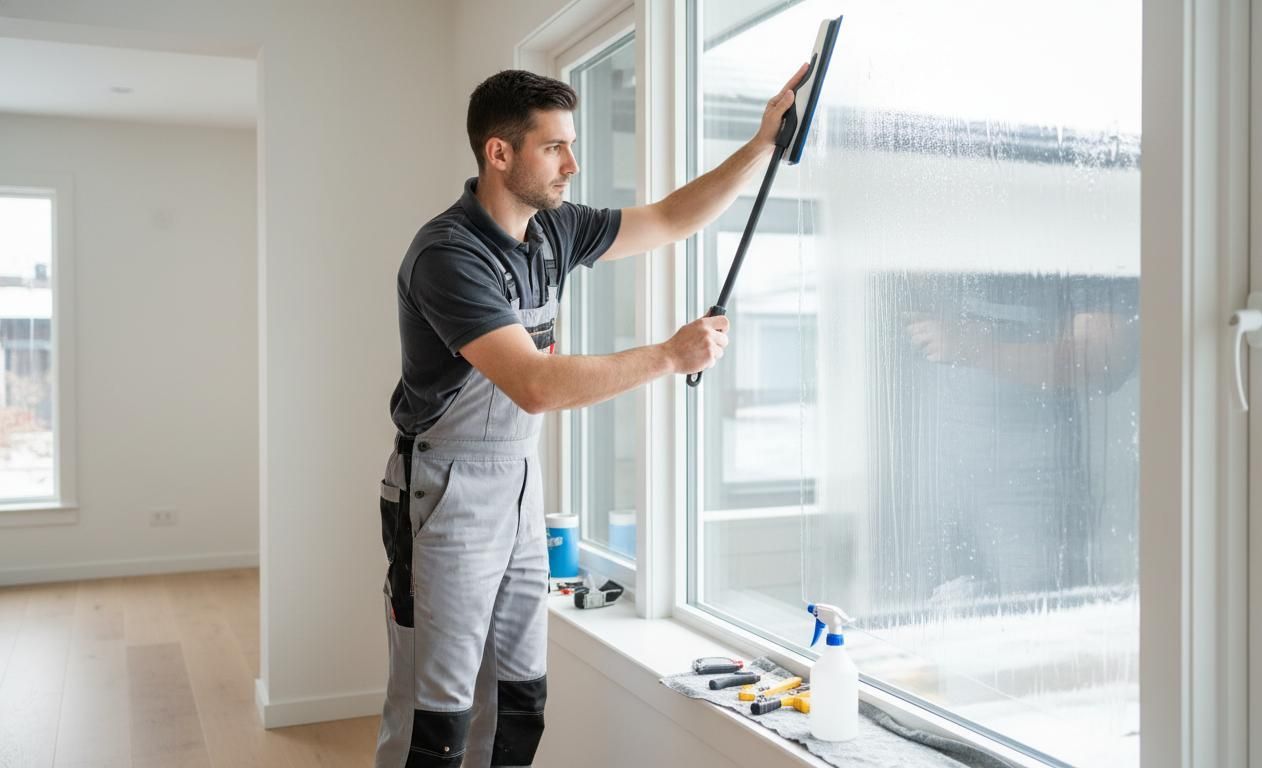
An installer assesses the window size, sun exposure, glass type, and your goals, and checks which films are safe for your glass.
Film Selection
You compare samples on your actual windows to see how each affects light, heat, and your view. EcoArc's online residential film viewer can also help you narrow choices beforehand.
Preparation
The glass and edges are deep-cleaned, and floors and furnishings are protected.
Precision Application
Large panes are carefully measured and fitted, and seams are minimized or planned so they're barely visible. EcoArc's installers are professionally trained in current tools and techniques for clean, edge-to-edge results.
Curing
Light haze or small water pockets after installation are normal and fade as the film cures. Your installer will explain how long to wait before cleaning.
Is Window Film Worth the Cost for West-Facing Windows?
Cost depends on window size, film series, glass type, access, and whether you choose interior or exterior film. An on-site estimate gives the most accurate price.
For the value, professionally installed energy-saving film costs about one-fifth as much as replacing windows, provided your existing windows are in good condition. West-facing glass is where film tends to pay off most, because it's where the most heat enters. Homeowners usually see:
- Afternoon rooms that are usable again
- Less strain on the HVAC system
- Fewer hot and cold spots across open floor plans
- Slower fading of floors, furniture, and artwork
- Comfortable TV and screen viewing at sunset
Frequently Asked Questions About Window Film for West-Facing Windows
What is the best window film to block heat from west-facing windows?
Dual-Reflective films generally give the strongest heat and glare rejection. Ceramic and Spectrally-Selective films provide high heat rejection with a more natural look. Exterior films like Atmosphere can perform even better on very large windows.
Will window film make my west-facing room darker?
Not necessarily. Spectrally-Selective and light Ceramic films are nearly invisible and keep rooms bright while still cutting heat. Darker films give more glare control but reduce more daylight.
Can I put window film on large double-pane windows?
Usually, yes, but the film must be compatible with the glass to avoid heat stress. A professional installer checks your glass before recommending a film.
Does window film block UV rays from afternoon sun?
Yes. Quality residential films block 99% or more of UV rays, which protects your skin and helps prevent fading of floors and furnishings.
Can I still see my view at night after installing film?
Yes, if you choose a film with low interior reflectivity, such as LLumar's Ceramic or Dual-Reflective series. Those films keep evening views clear.
Is window film cheaper than replacing west-facing windows?
Yes. Professional energy-saving film costs about one-fifth as much as replacement windows when the existing windows are in good shape.
Find the Best Window Film for Your West-Facing Windows
The best window film for large west-facing windows is the one matched to your glass, your room, and how much light you want to keep. For most homes, that means a Dual-Reflective, Ceramic, or Spectrally-Selective film, or an exterior film for the toughest exposures. All of them block 99% of UV rays and dramatically reduce afternoon heat and glare.
EcoArc Home & Office Window Tinting is a family-owned, exclusive LLumar SelectPro dealer led by twin brothers Bryant and Shea Devlin, with over 30 years of combined experience. Their team installs premium LLumar Vista films for
homeowners throughout Asheville, Waynesville, Hendersonville, Knoxville, Maryville, Greenville, Simpsonville, and the surrounding areas.
Ready to take back your afternoons? Request
a free estimate from EcoArc today.
Call the
Asheville office at (828) 545-8750,
Knoxville at (865) 214-7646, or
Greenville at (864) 214-5051, and find the right film for your west-facing windows.