What Is the Best Window Film for Asheville Homes?
The best window film for Asheville homes depends on what homeowners want to improve. Some need relief from excessive summer heat, others want to reduce glare without blocking mountain views, and many are looking for better energy efficiency, privacy, or protection against furniture fading.
For most Asheville homeowners, premium ceramic or spectrally selective window films offer an excellent balance of heat rejection, UV protection, natural light, and appearance. However, low-emissivity (Low-E), dual-reflective, and decorative films may be better suited to specific rooms and priorities.
In Asheville, North Carolina, and surrounding Western North Carolina communities, residential window tinting provides an effective way to improve comfort without replacing existing windows.
EcoArc Home & Office Window Tinting specializes in professional residential window film installation using premium LLumar Vista products. As an authorized LLumar SelectPro Dealer, EcoArc helps homeowners select films suited to their windows, environment, and performance goals.
This guide compares the best residential window film options, explains their benefits, and helps Asheville homeowners determine which solution makes the most sense.
Why Do Asheville Homes Benefit From Residential Window Film?
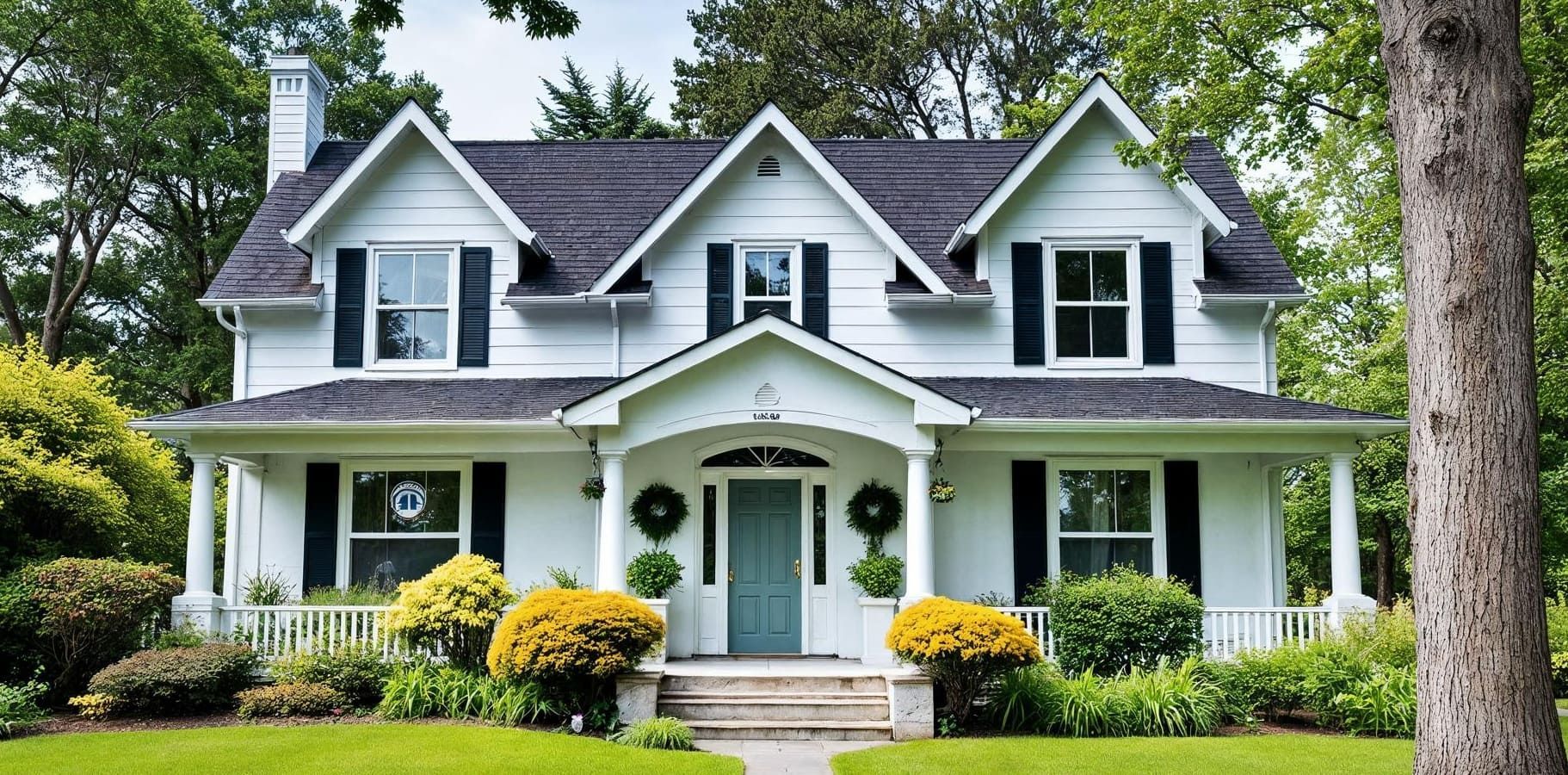
Asheville's mountain climate creates distinct challenges for residential windows. Warm summers, colder winters, seasonal temperature fluctuations, and varying sun exposure can affect indoor comfort throughout the year.
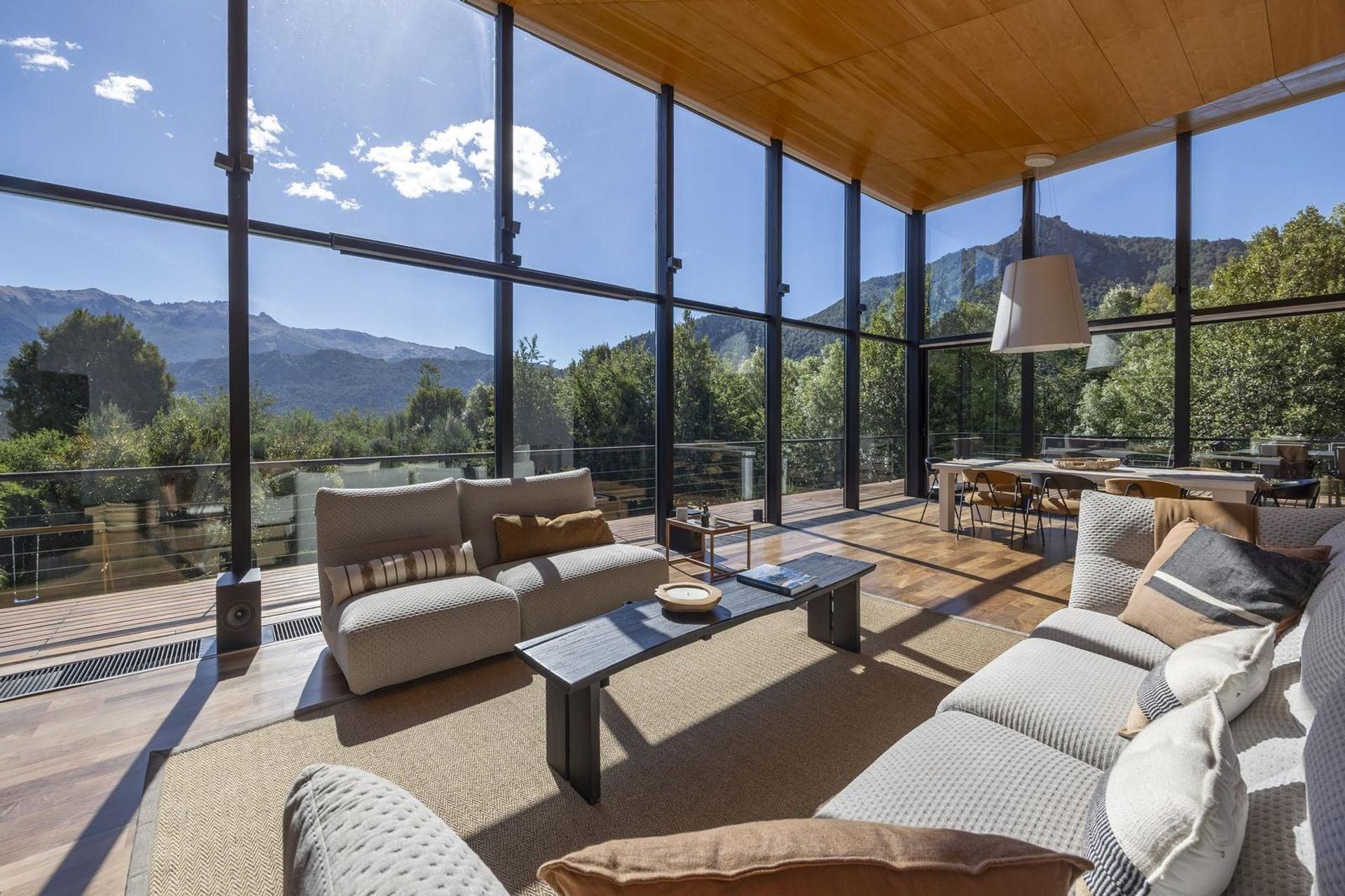
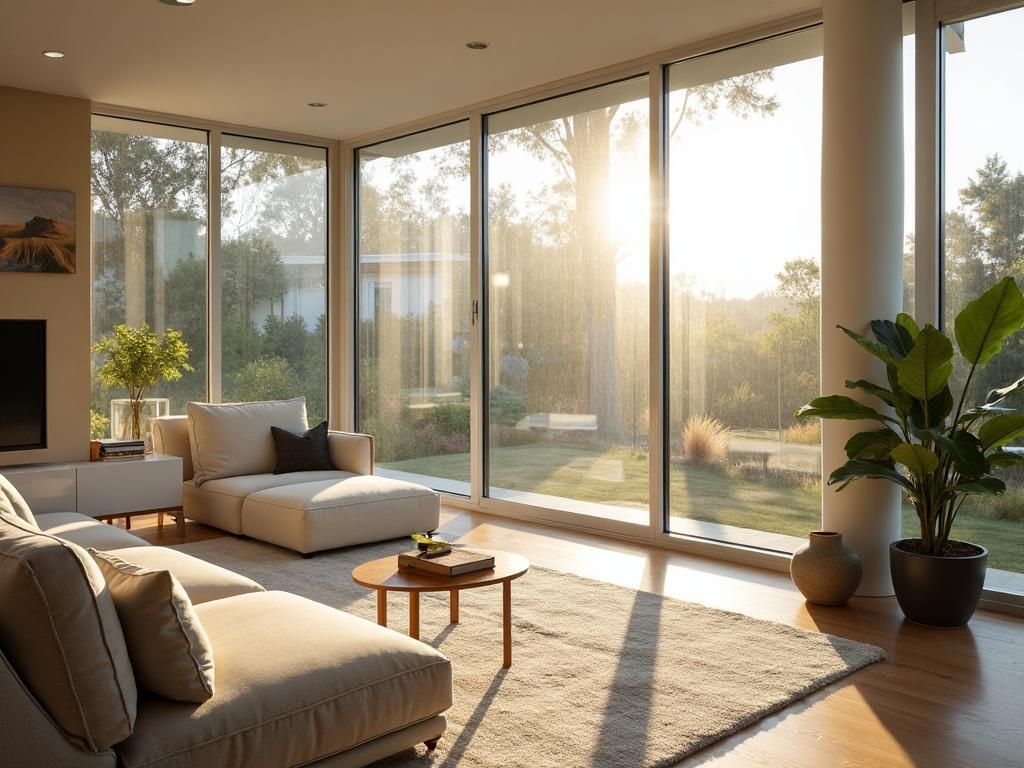
Large windows are especially popular in Western North Carolina homes because they showcase mountain scenery and bring natural light indoors. Unfortunately, those same windows can allow excessive solar heat and glare into living spaces.
Summer Heat and Uneven Indoor Temperatures
South- and west-facing windows can absorb significant solar energy during sunny afternoons.
This often creates uncomfortable hot spots in living rooms, bedrooms, and sunrooms, forcing air conditioning systems to work harder.
Solar-control window film reduces the amount of solar energy transmitted through glass, helping maintain more consistent indoor temperatures.
Winter Heat Loss Through Windows
During colder months, some residential windows allow substantial indoor heat to escape.
Certain Low-E window films are designed to reduce radiant heat transfer, supporting better year-round thermal performance.
However, the overall benefit depends on the existing glass and the balance between winter heat retention and useful winter sunlight.
UV Exposure and Interior Fading
Sunlight can gradually damage hardwood flooring, upholstery, rugs, artwork, and window treatments.
Premium LLumar Vista residential films can block up to 99.9% of ultraviolet radiation, depending on the product.
Although UV protection cannot completely prevent fading, it helps reduce one of its major contributing factors.
What Are the Best Types of Window Film for Asheville Homes?
No single residential window film is ideal for every property. The best choice depends on window orientation, existing glazing, desired appearance, and the homeowner's priorities.
EcoArc offers premium LLumar Vista window film solutions suited to different residential applications.
1. Ceramic Window Film: Best Overall Balance
Ceramic window film is an excellent all-around option for homeowners seeking effective heat control without a heavily reflective appearance.
Advanced ceramic-based films manage solar energy while maintaining relatively neutral glass coloration.
Key benefits include:
- Effective solar heat rejection
- Strong UV protection
- Reduced glare and improved comfort
- Low-reflectivity appearance
- Clearer views compared with heavily tinted alternatives
Ceramic film is particularly suitable for living rooms, bedrooms, and family spaces where homeowners want practical performance without dramatically changing their windows.
For many Asheville residences, it offers one of the best combinations of comfort, appearance, and everyday usability.
2. Spectrally Selective Film: Best for Mountain Views
Spectrally selective films are designed to reject portions of solar energy while allowing substantial visible light transmission.
This makes them particularly attractive for homes with panoramic mountain views, large picture windows, or bright open-plan interiors.
Unlike darker window films, high-transparency spectrally selective products can reduce unwanted heat without substantially dimming rooms.
They are especially useful when homeowners want to maintain the original appearance of their windows.
3. Low-E Window Film: Best for Year-Round Efficiency
Low-emissivity window film helps manage radiant heat transfer through glass.
Depending on the product and glazing configuration, Low-E film can reduce summer solar heat gain while helping limit interior radiant heat loss during winter.
This may be beneficial for older homes with less efficient windows.
However, a Low-E film is not automatically the best solution for every Asheville property. Existing insulated glass performance, window orientation, and winter solar gain should all influence product selection.
4. Dual-Reflective Film: Best for Strong Sun Exposure
Dual-reflective window films are designed to deliver significant solar control while limiting interior reflectivity.
They can work particularly well on west-facing windows exposed to intense afternoon sunlight.
These films typically produce a more noticeable exterior appearance than nearly invisible spectrally selective options.
For homeowners prioritizing maximum glare and heat reduction, that tradeoff may be worthwhile.
5. Privacy and Decorative Film: Best for Secluded Spaces
Privacy window films help reduce unwanted visibility through residential glass.
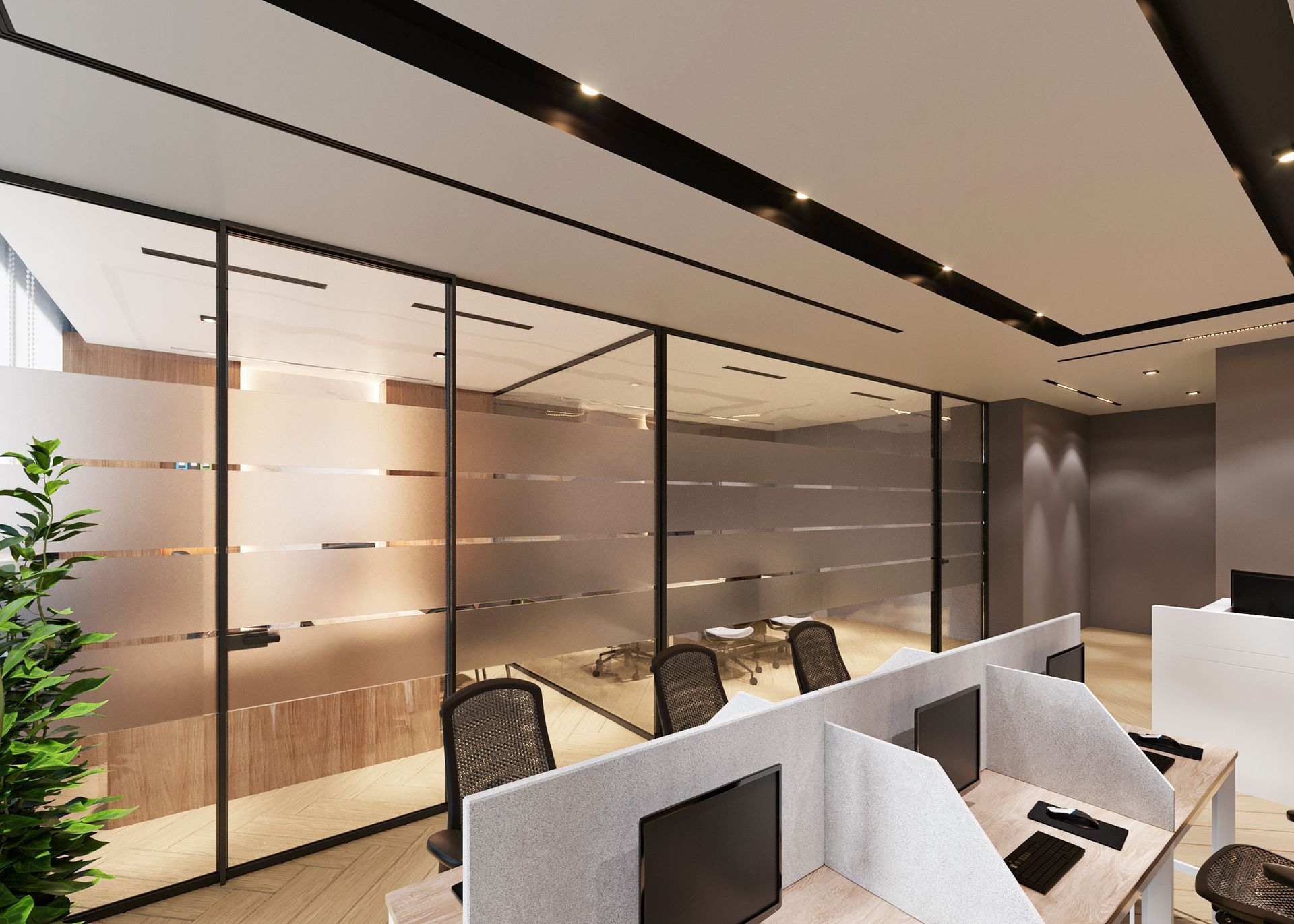
Frosted and decorative films are popular for bathrooms, entryways, sidelights, and interior glass partitions.
Reflective privacy films may also provide daytime privacy, although their effectiveness changes as lighting conditions shift.
Homeowners should remember that typical reflective privacy films do not guarantee nighttime privacy when interior lights are brighter than the outdoors.
Residential Window Film Comparison: Which Option Is Right for You?
The following comparison highlights the primary differences between common residential window film categories.
| Window film type | Main advantage | Best application | Appearance |
|---|---|---|---|
| Ceramic | Balanced heat and glare control | Living rooms and bedrooms | Neutral, low reflection |
| Spectrally selective | Heat reduction with natural light | Large scenic windows | Nearly invisible options |
| Low-E | Improved thermal performance | Year-round comfort | Generally subtle |
| Dual-reflective | Strong solar and glare control | West-facing windows | More noticeable exterior reflection |
| Frosted privacy | Reduced visibility | Bathrooms and entryways | Translucent or decorative |
| Safety and security | Improved broken-glass retention | Vulnerable glass areas | Clear options available |
The best product should be selected using manufacturer performance specifications rather than appearance or film thickness alone.
How Do You Choose Window Film Based on Window Direction?
Window orientation significantly affects how much sunlight and solar heat enters a home.
Understanding these differences can help homeowners avoid unnecessary tinting or choosing films that block too much natural light.
South-Facing Windows
South-facing windows receive substantial sunlight throughout the year.
Ceramic and Low-E films may provide useful performance, depending on whether summer heat reduction or winter comfort is the main priority.
West-Facing Windows
West-facing glass frequently creates the most uncomfortable afternoon conditions.
Dual-reflective films or high-performance ceramic products can help reduce heat buildup and glare.
East-Facing Windows
East-facing windows receive morning sunlight, which may cause glare in bedrooms, kitchens, or home offices.
Moderate solar-control films often provide sufficient relief without making interiors unnecessarily dark.
North-Facing Windows
North-facing windows generally receive less direct solar exposure.
Clear UV-protective films or high-transparency options may be preferable when preserving daylight matters more than rejecting intense heat.
Can Window Film Lower Energy Bills in Asheville?
Yes, properly selected residential window film can reduce energy consumption by improving solar heat control and, with certain products, limiting heat loss.
However, actual savings vary considerably between properties.
Important factors include:
- Window size and orientation
- Existing glass performance
- Insulation and air leakage
- Heating and cooling equipment efficiency
- Selected film specifications
- Household temperature preferences
Homes with extensive sun-exposed glazing and significant cooling demands may experience greater benefits than homes with smaller, well-shaded windows.
EcoArc promotes residential window film as an energy-efficient alternative to certain window replacement projects.
While window film can improve existing glazing performance, it does not repair failed seals, eliminate drafts around frames, or replace every benefit of modern insulated windows.
A professional evaluation helps homeowners establish realistic expectations.
What Should Homeowners Look for in Window Film Specifications?
Choosing the best residential film requires understanding several important performance measurements.
Visible Light Transmission (VLT)
VLT measures how much visible light passes through the filmed glass.
Higher VLT generally means brighter interiors, while lower VLT usually creates a darker appearance.
Homeowners who value Asheville's mountain scenery may prefer higher-transparency products.
Total Solar Energy Rejected (TSER)
TSER measures the percentage of total solar energy rejected by a glazing system under specified conditions.
It provides a useful comparison when heat reduction is the priority.
Compare values measured under consistent testing conditions and for comparable glass configurations.
UV Rejection
UV rejection indicates how effectively a film blocks ultraviolet radiation.
High-performance films can reject nearly all incoming UV, helping protect interior materials.
Nevertheless, visible light and heat also contribute to fading, so UV rejection alone does not eliminate damage.
U-Factor and Emissivity
U-factor describes heat transfer through a window assembly.
Emissivity relates to how effectively a surface emits radiant heat.
For homeowners interested in winter efficiency, these measurements can be particularly relevant when comparing Low-E products.
Why Does Professional Residential Window Film Installation Matter?
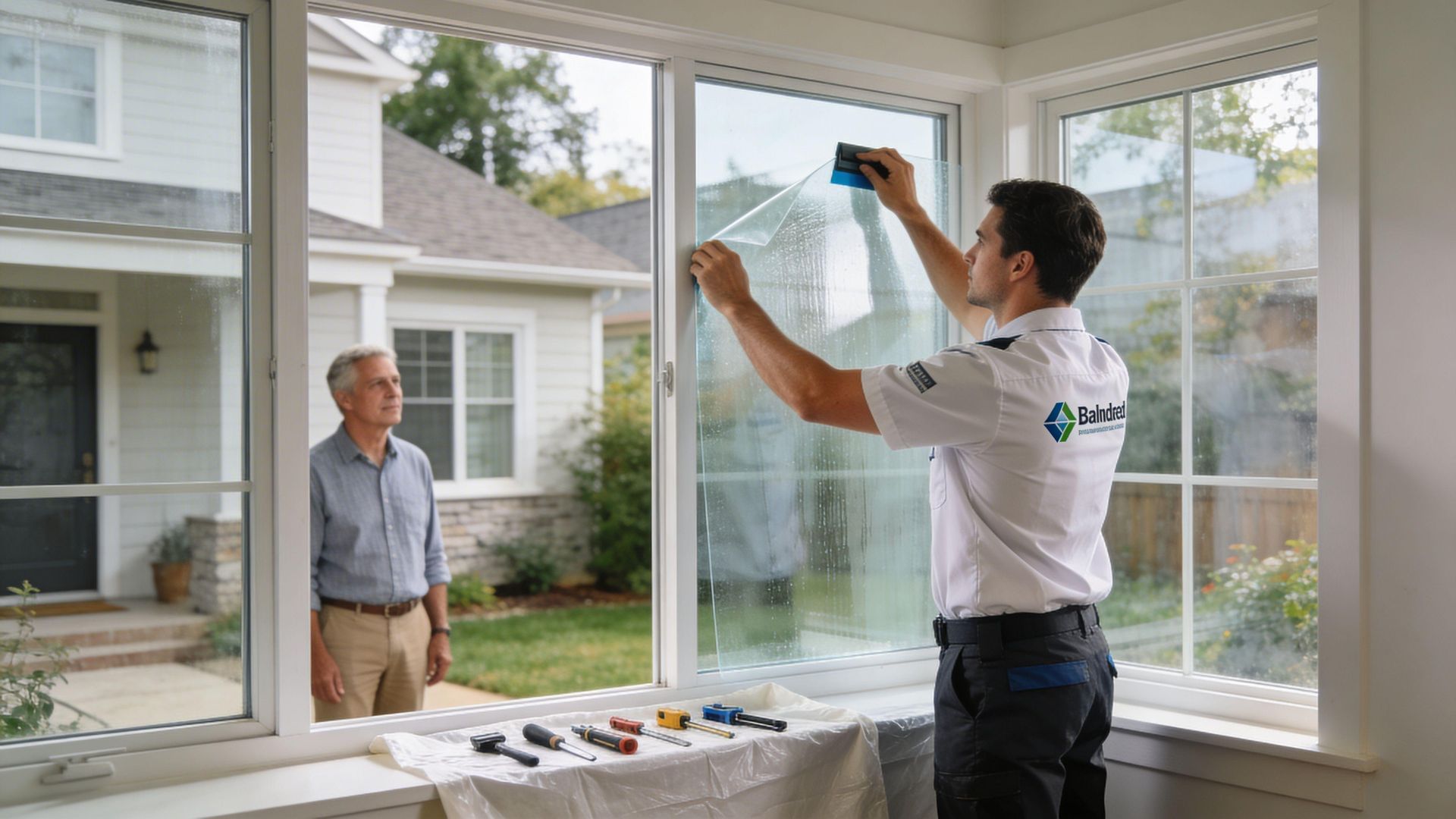
Professional installation is essential for achieving the intended appearance, durability, and performance.
Before installing film, an experienced technician should inspect the window construction, assess thermal compatibility, and identify the homeowner's priorities.
Certain films may be unsuitable for particular insulated glass units, coated glass, or damaged glazing.
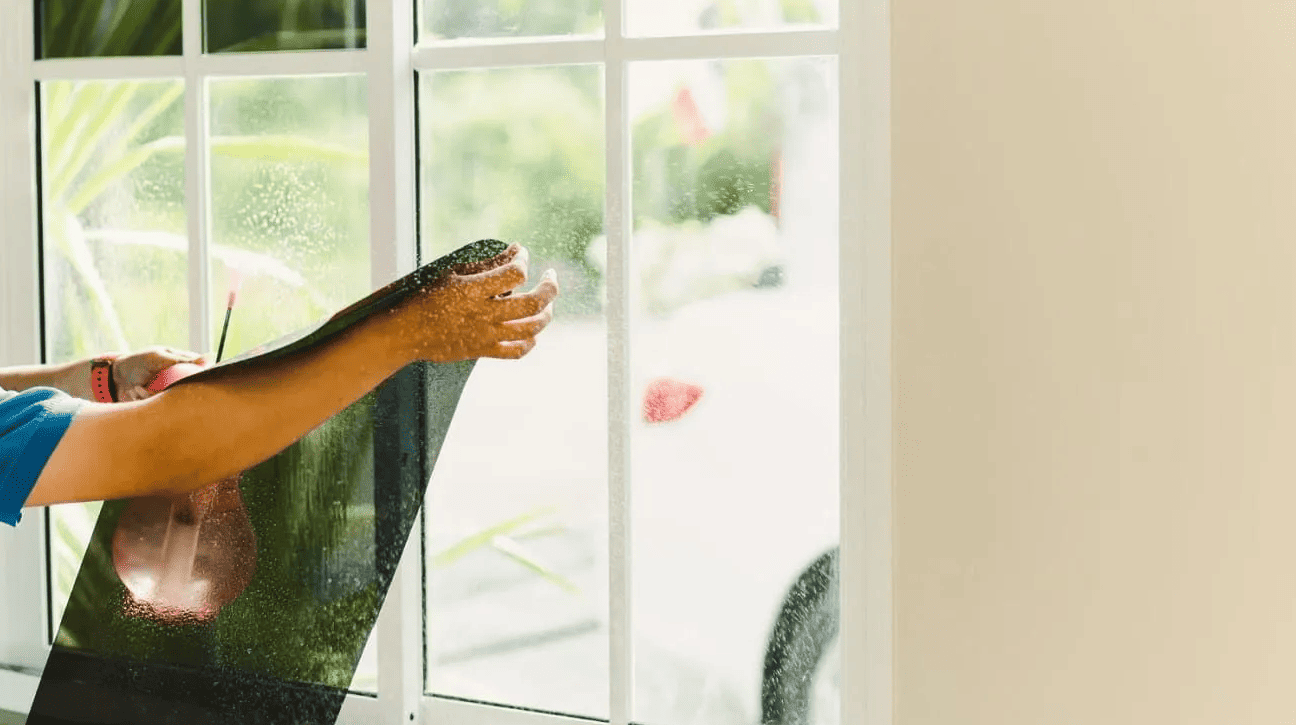
The installation process typically includes glass preparation, precision film application, moisture removal, edge finishing, and curing guidance.
EcoArc Home & Office Window Tinting is a family-owned company operated by twin brothers Bryant and Shea Devlin, with more than 30 years of combined industry experience.
As a LLumar SelectPro Dealer, EcoArc offers premium Vista residential window films and emphasizes skilled installation and personalized service.
Professional guidance is particularly valuable when a home contains multiple window types requiring different film solutions.
How Much Does Home Window Tinting Cost in Asheville?
Residential window film costs depend on the selected product, total glass area, window accessibility, and installation complexity.
Premium ceramic, spectrally selective, and Low-E films may involve higher initial costs than basic dyed products.
Large picture windows, skylights, unusual glass shapes, and difficult-to-access areas may also influence installation pricing.
Homeowners should request a detailed estimate identifying the proposed film, performance specifications, applicable warranties, and preparation requirements.
Comparing long-term performance, rather than selecting the lowest upfront price, generally supports a more informed decision.
Frequently Asked Questions About Asheville Home Window Film
What is the best window film for reducing heat without darkening windows?
Spectrally selective window film is often an excellent choice because it can reject significant solar energy while preserving visible light. Premium ceramic films may also provide strong heat control with a relatively natural appearance.
Does residential window film work during winter?
Certain Low-E window films can help reduce radiant heat loss during colder months. However, not every solar-control film provides meaningful winter insulation benefits. Product specifications and existing glass construction determine performance.
Can window film protect hardwood floors from fading?
Yes. UV-blocking residential window films help reduce one major cause of fading in hardwood floors, furniture, and fabrics. They cannot completely prevent discoloration caused by visible light, heat, or aging.
Is window film safe for double-pane windows?
Many films are compatible with double-pane windows, but compatibility must be verified. An inappropriate film can increase thermal stress or affect certain insulated glass units. Professional assessment is recommended before installation.
How long does residential window film last?
Premium architectural window films can last many years when installed and maintained properly. Longevity depends on the film, glass conditions, exposure, and maintenance. Homeowners should review the specific manufacturer's warranty.
Can homeowners see outside through privacy window film at night?
Some privacy films maintain exterior visibility, but reflective privacy depends on lighting conditions. When indoor lighting is brighter than outdoor lighting, nighttime privacy may be reduced. Frosted films or window coverings provide more dependable privacy.
Is residential window film better than replacing windows?
Window film is often a practical option when existing windows are structurally sound but need improved solar control or UV protection. Replacement may be more appropriate for damaged frames, failed seals, or seriously inefficient glazing.
Find the Best Residential Window Film for Your Asheville Home
The best window film for Asheville homes is the one that addresses the property's specific needs without compromising comfort or appearance.
Ceramic films provide balanced performance, spectrally selective products preserve natural light and scenic views, Low-E films can support year-round efficiency, and dual-reflective films offer stronger protection against intense sunlight.
For homeowners in Asheville, Waynesville, Hendersonville, Weaverville, Black Mountain, Canton, and surrounding Western North Carolina communities, EcoArc Home & Office Window Tinting provides professional residential window film solutions.
Serving Buncombe, Haywood, Henderson, and Jackson counties, EcoArc helps homeowners choose premium LLumar Vista films suited to their windows and lifestyle.
Ready to improve your home's comfort, UV protection, and energy efficiency?
Contact EcoArc Home & Office Window Tinting to discuss residential window film options and request a free estimate.
Phone: (828) 545-8750
Website: https://www.ecoarcfilms.com/